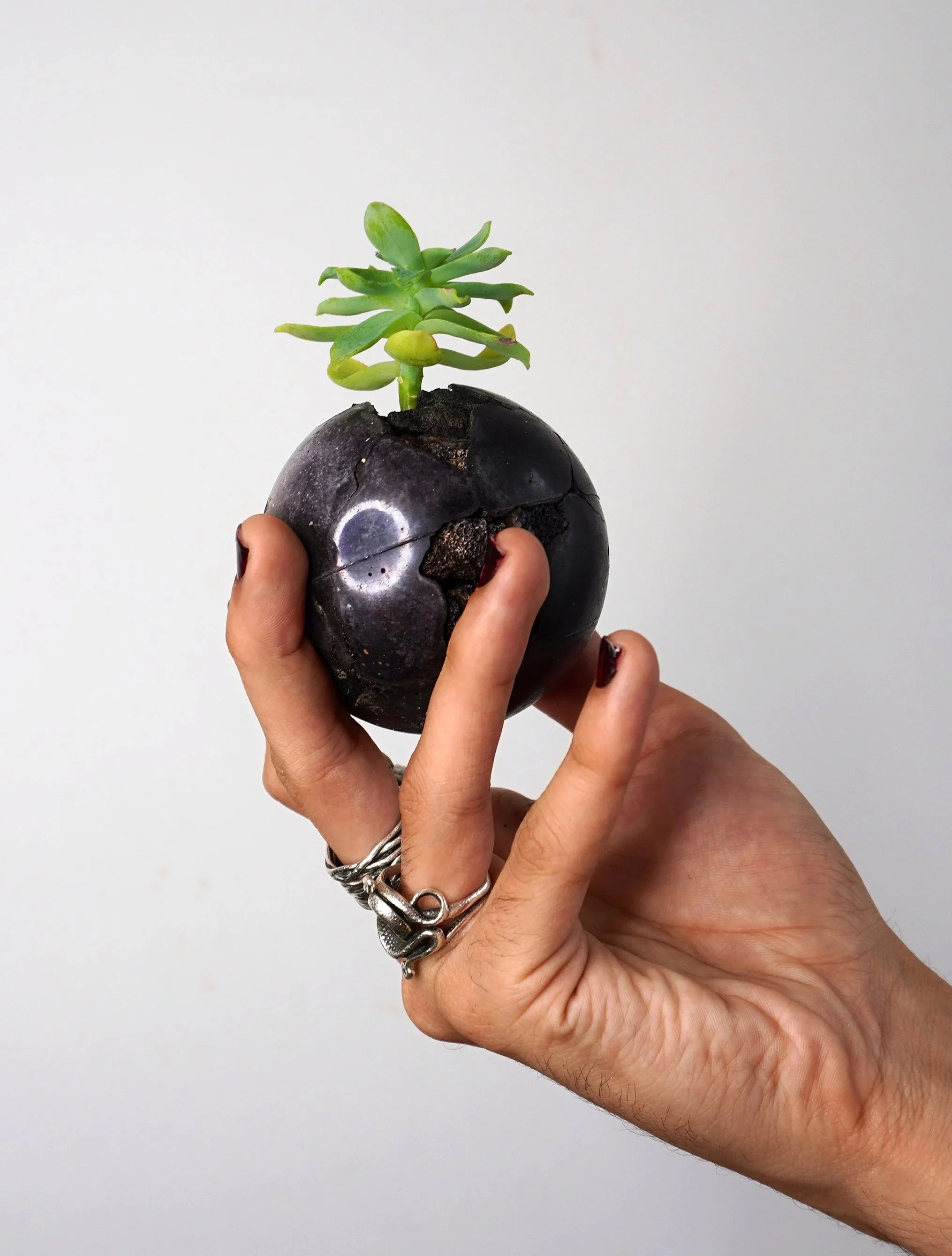
Why Succulents Are the Perfect Plants for Beginners
There is a reason succulent plants appear so often as someone’s first experience with plant care, they are small, compact, slow to change, and seem to survive situations that would quickly damage other plants. For many people, the first plant they keep on a desk, a windowsill, or a shelf is a succulent, not necessarily because they chose it for a specific reason, but because it felt manageable, it didn’t look fragile and didn’t seem to demand constant attention. It gave the impression that it could exist quietly alongside daily life without becoming another responsibility that could easily go wrong.
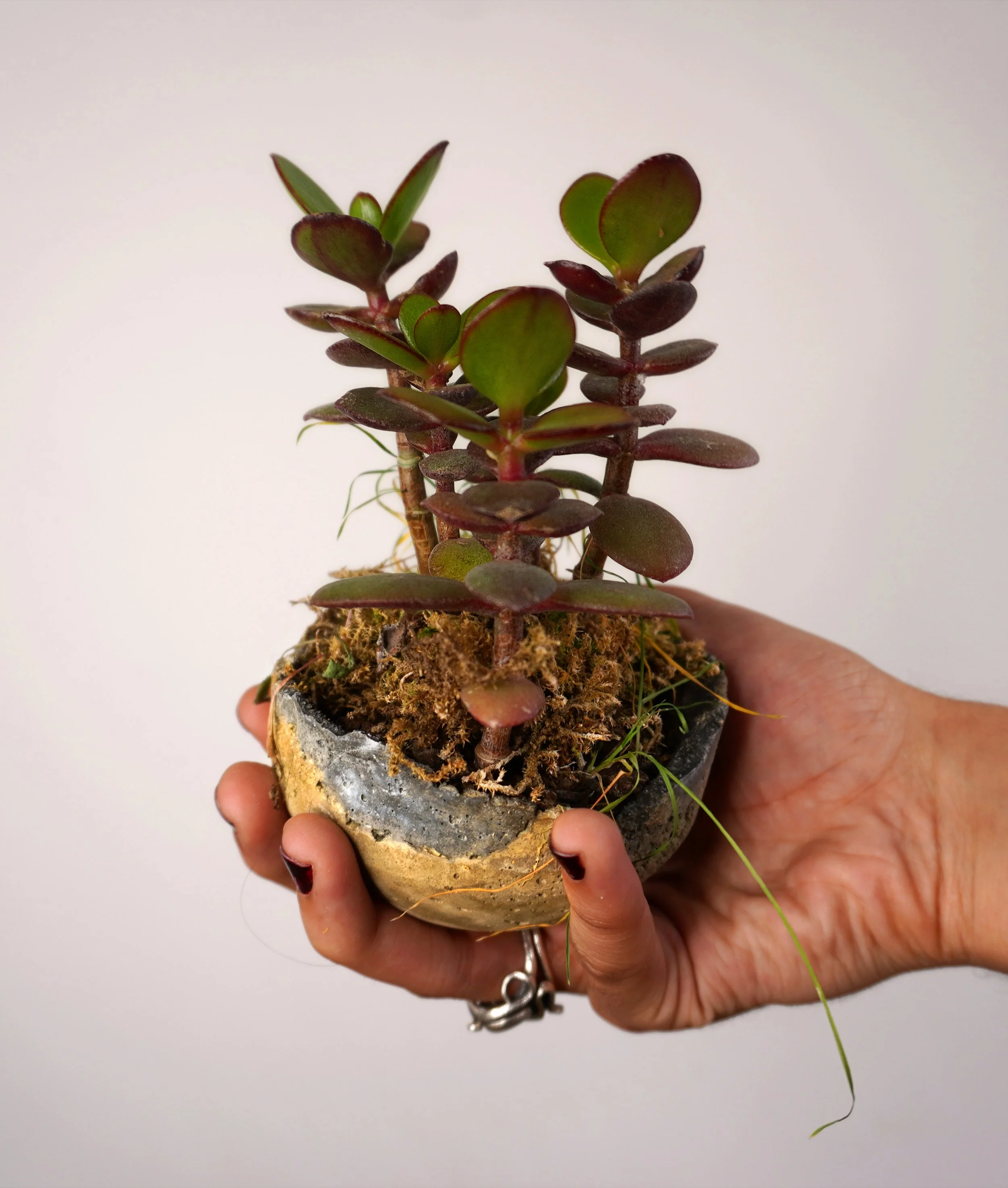
Succulents belong to a group of plants that evolved to survive in dry and demanding environments, their thick leaves, fleshy stems, and compact forms are not aesthetic accidents but biological adaptations. These plants store water inside their tissues, allowing them to tolerate long periods without rain. In nature, this ability makes the difference between survival and death in climates where water is unpredictable. In domestic spaces, it means something else: they forgive inconsistency, a missed watering, a change in temperature, or a few days without attention rarely leads to immediate decline. For beginners, this tolerance can make the first contact with plant care feel less intimidating. Because of this resilience, succulents often become the plants people trust when they are unsure of their own ability to keep something alive.
There is a quiet relief in knowing that the plant will not collapse after one mistake. This doesn’t mean succulents require no care, in fact, many of them struggle not because they are difficult, but because they are misunderstood. Their capacity to store water leads people to treat them like objects rather than living organisms. Overwatering is one of the most common reasons succulents fail, not because the plant is weak, but because its natural rhythm is different from what people expect, these plants are built for scarcity, not for constant attention.
Working with succulents regularly makes this difference very visible, their structure allows them to adapt well to contained environments, which is one of the reasons they are often used in small compositions and vessels. They grow slowly, keep their shape for long periods, and can live in limited amounts of soil without immediate stress. This stability makes them reliable when creating arrangements where space is restricted and conditions are not always ideal, unlike fast-growing plants that quickly outgrow their container, succulents change gradually, they allow time.
There is also something visually direct about succulents, their forms are clear, almost sculptural: leaves grow in patterns that seem deliberate, even when they are simply following biological rules. When something goes wrong, the signs are easy to read, a plant stretches toward light, becomes softer, changes color, or wrinkles when it needs water. These signals make them good teachers, even for people who don’t think of themselves as plant people. You don’t need technical knowledge to notice that something has changed, you only need to look. For beginners, this ability to observe cause and effect can be more important than following instructions. Plant care is often described as a set of rules : how much water, how much light, how often to repot, but in reality it is closer to a process of learning rhythm. Succulents make that rhythm easier to understand because they react slowly, they give time to correct mistakes and they show the consequences without immediately collapsing. This slower response creates space to learn without feeling like every action has permanent results.
It is not surprising, then, that succulents appear so frequently in the work we do with our vases. When a plant needs to live inside a limited volume of soil, sometimes without drainage, sometimes in environments that change from one space to another, resilience becomes essential. Succulents tolerate these conditions better than most species. They hold their form, adapt to restriction, and remain stable over time. Their ability to survive in imperfect situations makes them practical, but also honest. They do not pretend that conditions are ideal, they simply adjust to what is possible.
What makes succulents especially meaningful for beginners is not that they are impossible to kill, it’s that they make failure less final. If one plant declines, another can take its place, if care is inconsistent, the plant often recovers and this creates a different relationship with plant care, one based less on fear of doing something wrong and more on curiosity about how living things respond. Confidence grows slowly, the same way the plant does. In the end, succulents are not just easy plants, they are patient plants. They allow people to enter the world of plant care without demanding perfection from the beginning. They show that learning to care for something alive does not start with expertise, but with attention and sometimes, attention develops best with a plant that can wait.