
What a City's Plants Tell You About Its Culture
There is a habit worth developing in new cities. Before looking for a restaurant or a gallery or anything recommended by anyone with an algorithm — look at the plants. Not in parks, which are designed to impress. The ones that aren't trying: the geraniums on a third-floor balcony, the succulent wedged into a crumbling wall, the fig tree that someone planted decades ago and nobody remembers deciding on. These are the honest plants, the ones that reveal something. A city's official greenery — the manicured avenue, the civic flowerpot, the hotel lobby orchid — tells you what a city wants you to think of it. But the plants people choose for their own windowsills, courtyards, and doorsteps tell you something else entirely.
Here are some cities, read through their plants.
Berlin: The Politics of Growing Things
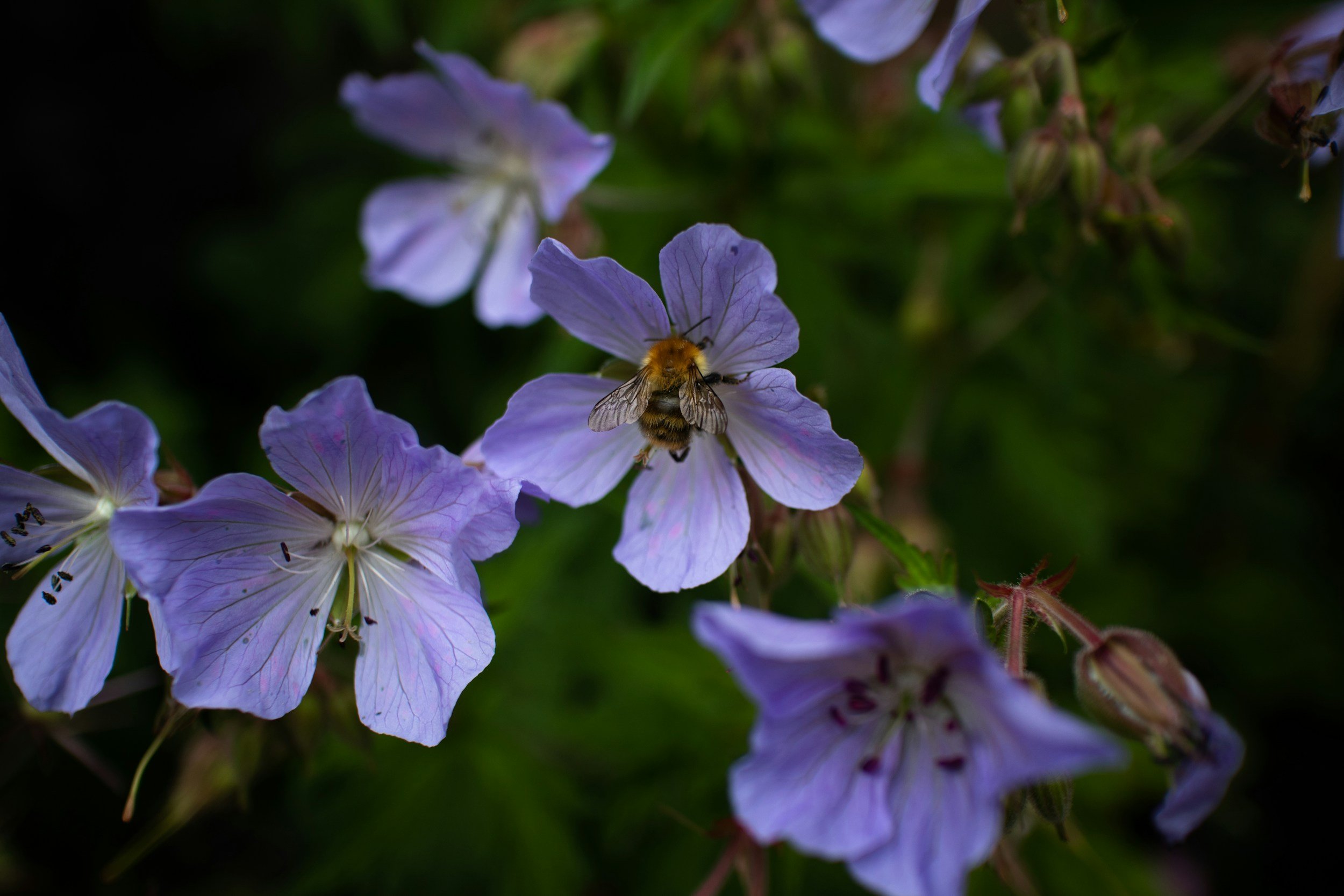
Berlin's most characteristic plant is not beautiful. The balcony geranium is cheerful in the way that practical things can be cheerful — it grows fast, tolerates neglect, returns every spring without being asked. In a city where apartments are often small and north-facing, it is an act of stubbornness.
The city has a particular affection for weeds too. Vacant lots left after reunification were not immediately paved. Buddleia colonised the rubble, willowherb turned the empty lots pink every summer pink every summer, and eventually people started tending these spaces rather than replacing them. The community garden movement here has its roots in squatter culture, in political movements that saw land as the most direct form of ownership a city could offer its residents. Berlin grows things defiantly. In the cracks, on the margins, in collective spaces that resist the logic of development.
Tokyo: Precision as a Form of Devotion
Outside a narrow house in Yanaka, on a step so small there is barely room for a foot, a perfectly maintained pine sits in a ceramic container. The care it represents — years of patient shaping, daily attention — is immediately legible. This is the bonsai philosophy applied to domestic life: the quiet conviction that a small thing, tended carefully, is worth more than a grand thing left to chance.
Tokyo's moss gardens extend the same logic. Moss asks only for consistent conditions, patience, and the willingness to notice something that does not announce itself. Even on the smallest balcony here, there is an attention to arrangement that reflects something deeper than aesthetics. The idea that care is a practice, not a gesture.
Marrakech: Plants as Architecture
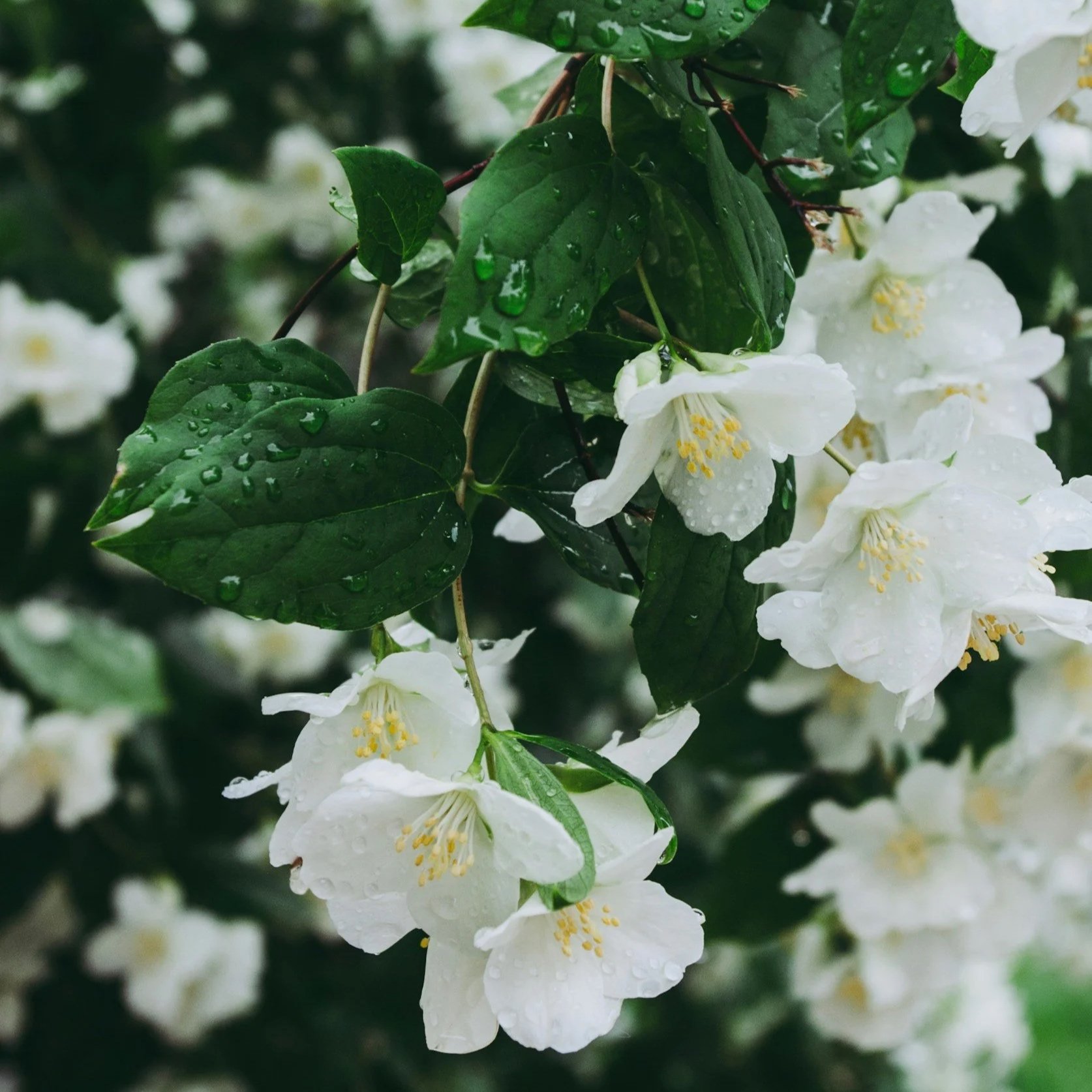
The riad courtyard uses plants to do the work that in other cities is done by walls or air conditioning. Citrus trees for shade. Jasmine climbing interior walls for scent and coolness. The water basin at the centre, ringed with herbs, lowering the temperature of the surrounding air. These plants complete the house rather than decorating it.
From the outside, the medina is a maze of blank walls. Step through a door and the temperature drops, the air changes, there is green and the sound of water. In Marrakech, knowing which plant goes where, how to train a vine, when to water and when to leave alone — this is knowledge accumulated over centuries, passed through families and neighbourhoods. A quiet expertise shaped entirely by the conditions of the place.
Lisbon: Melancholy in Green
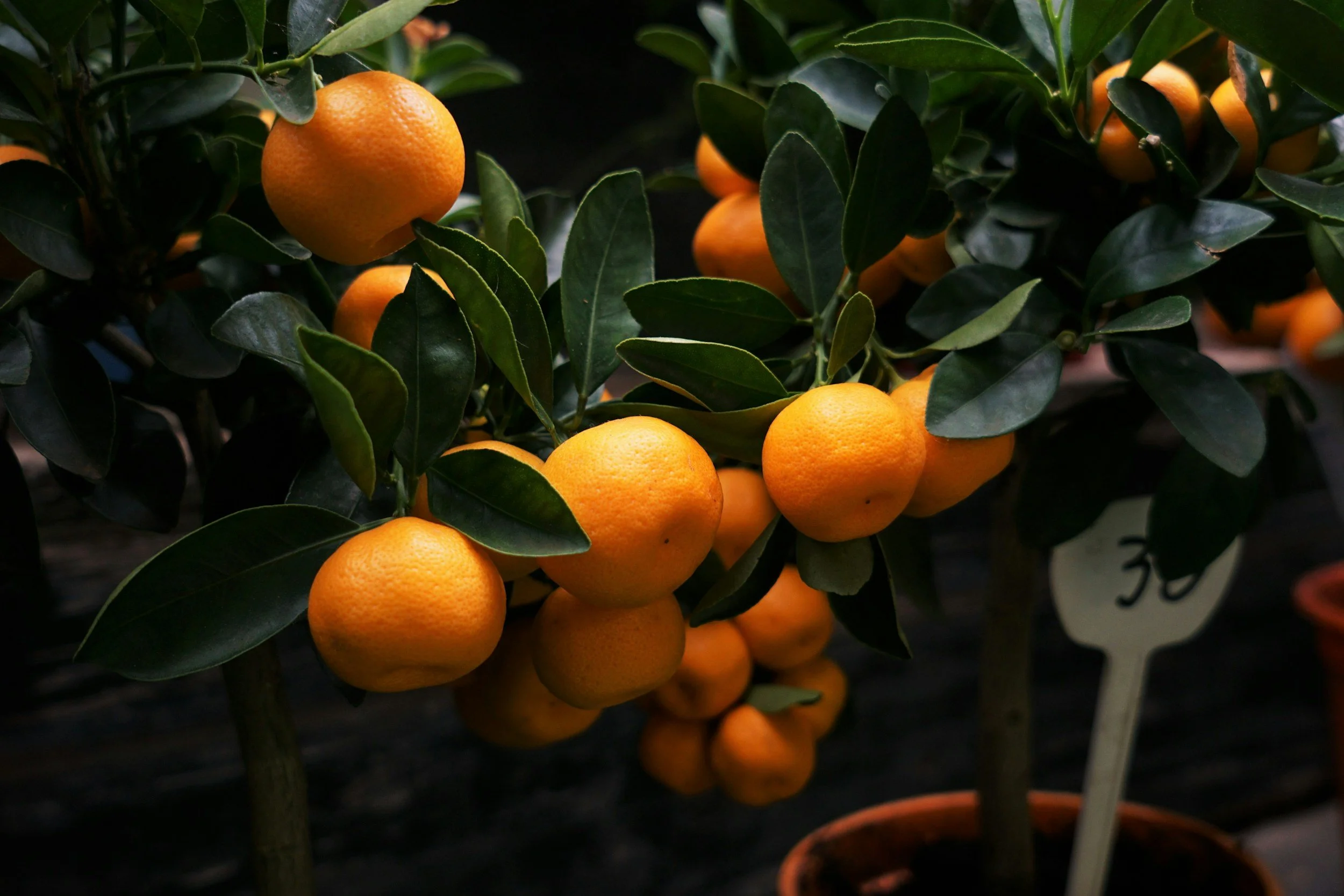
Lisbon has a specific relationship with beautiful things that are slightly past their peak. The bougainvillea growing over a ruin for so long it has become part of the structure. In the Alfama, jacaranda trees drop their violet flowers onto streets too narrow for two people to pass — the colour so saturated it looks almost artificial against the bleached stone. Saudade — that Portuguese quality of longing for something beautiful that is already passing — is perhaps the only city-emotion visible in its plants. In Lisbon, the plant is always in conversation with time.
Italy: When the Plant Is the Culture
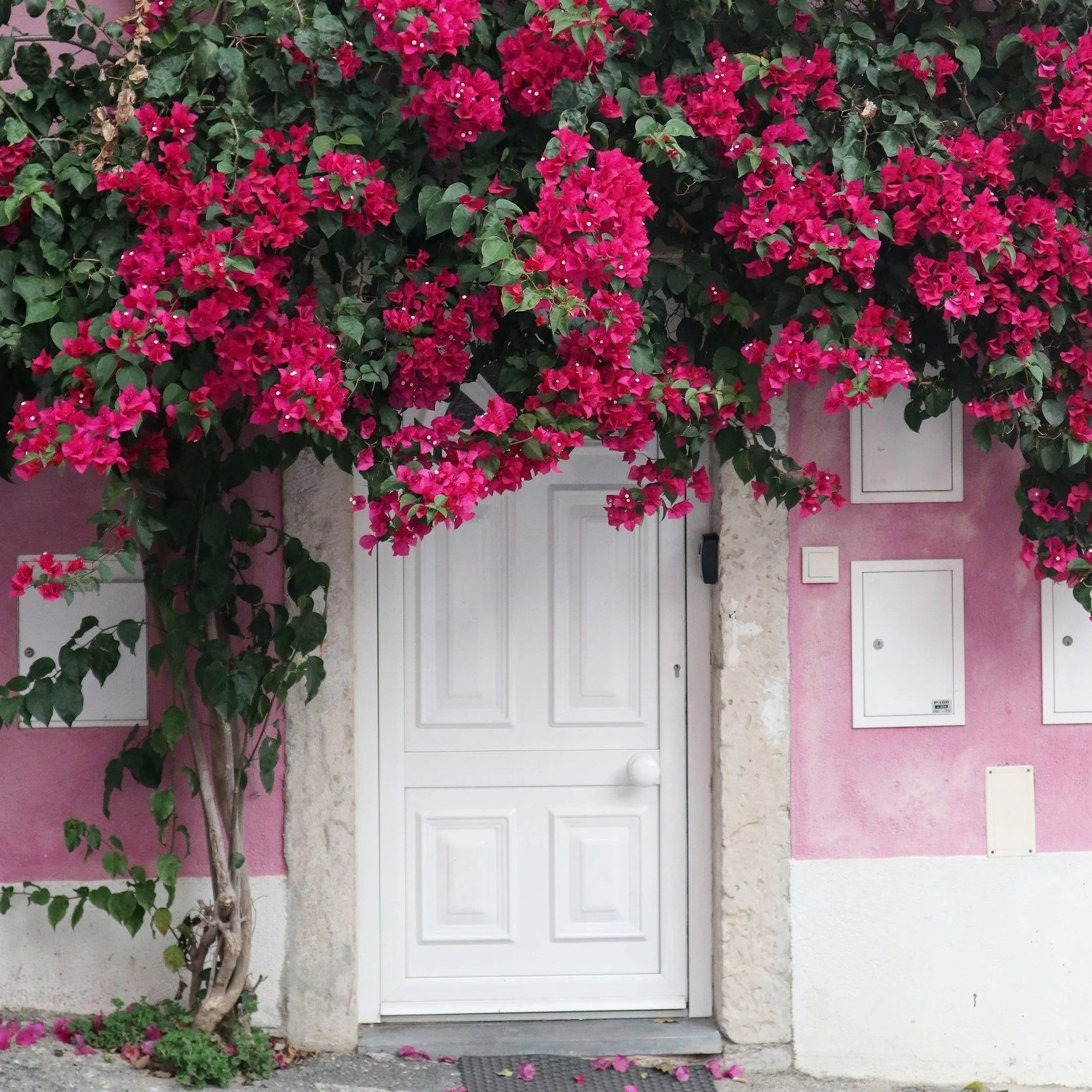
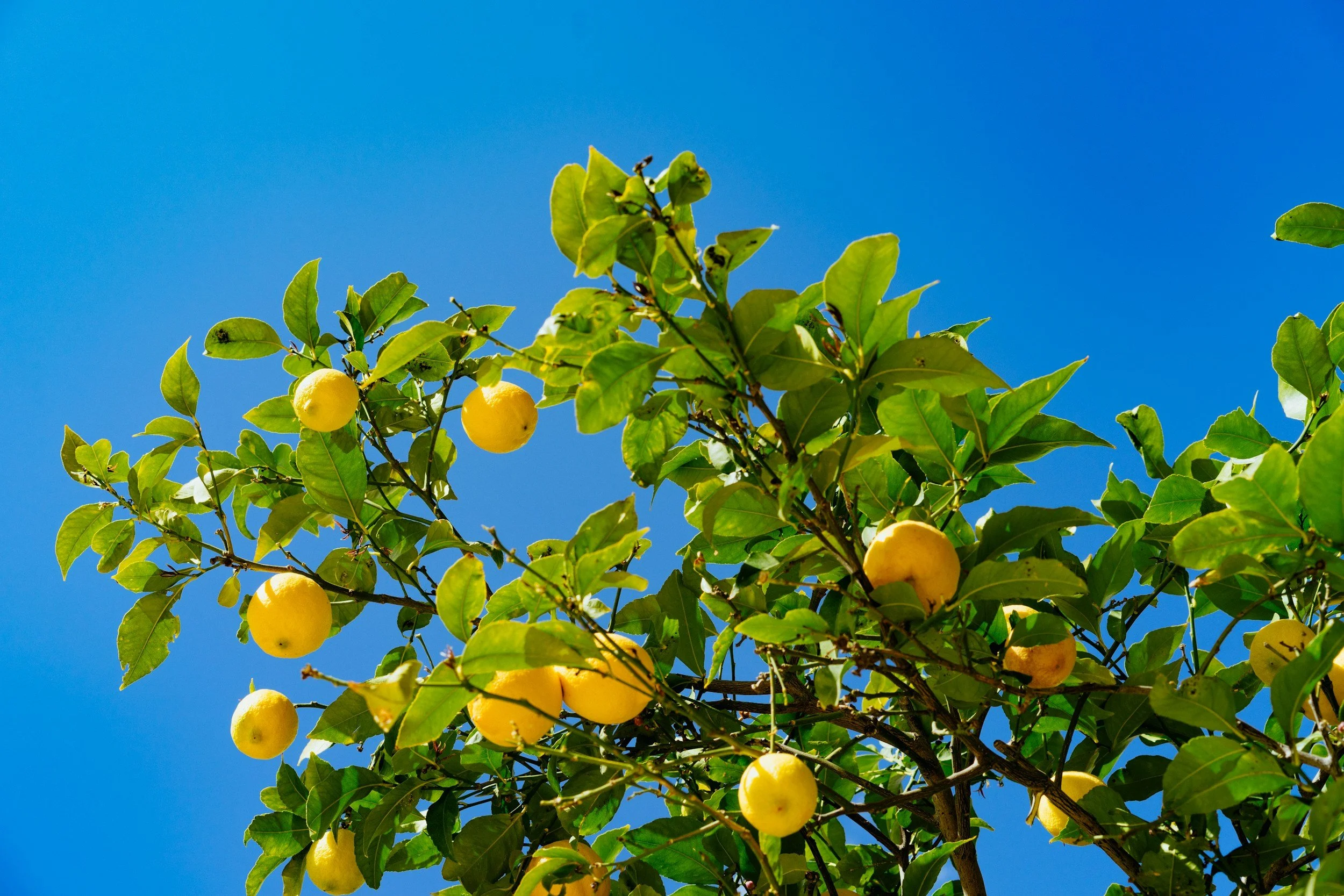
One plant cuts across Italy's north and south alike: the lemon tree. Not just as a fruit or a crop. As an identity. On the Amalfi Coast, terraced groves carved into vertiginous cliffs — some holding trees several centuries old — produce the Sfusato Amalfitano, a lemon so fragrant its rind scents the surrounding air. Families have farmed the same terraces since the early 19th century; the relationship between grower and tree is not commercial so much as biographical.
Wisteria on a pergola. Herbs between paving stones. Lemons on a fifth-floor balcony in Naples in a pot that looks older than the building. In Italy, plants carry history in a way that feels less like metaphor and more like fact.
A Few More Worth Noting
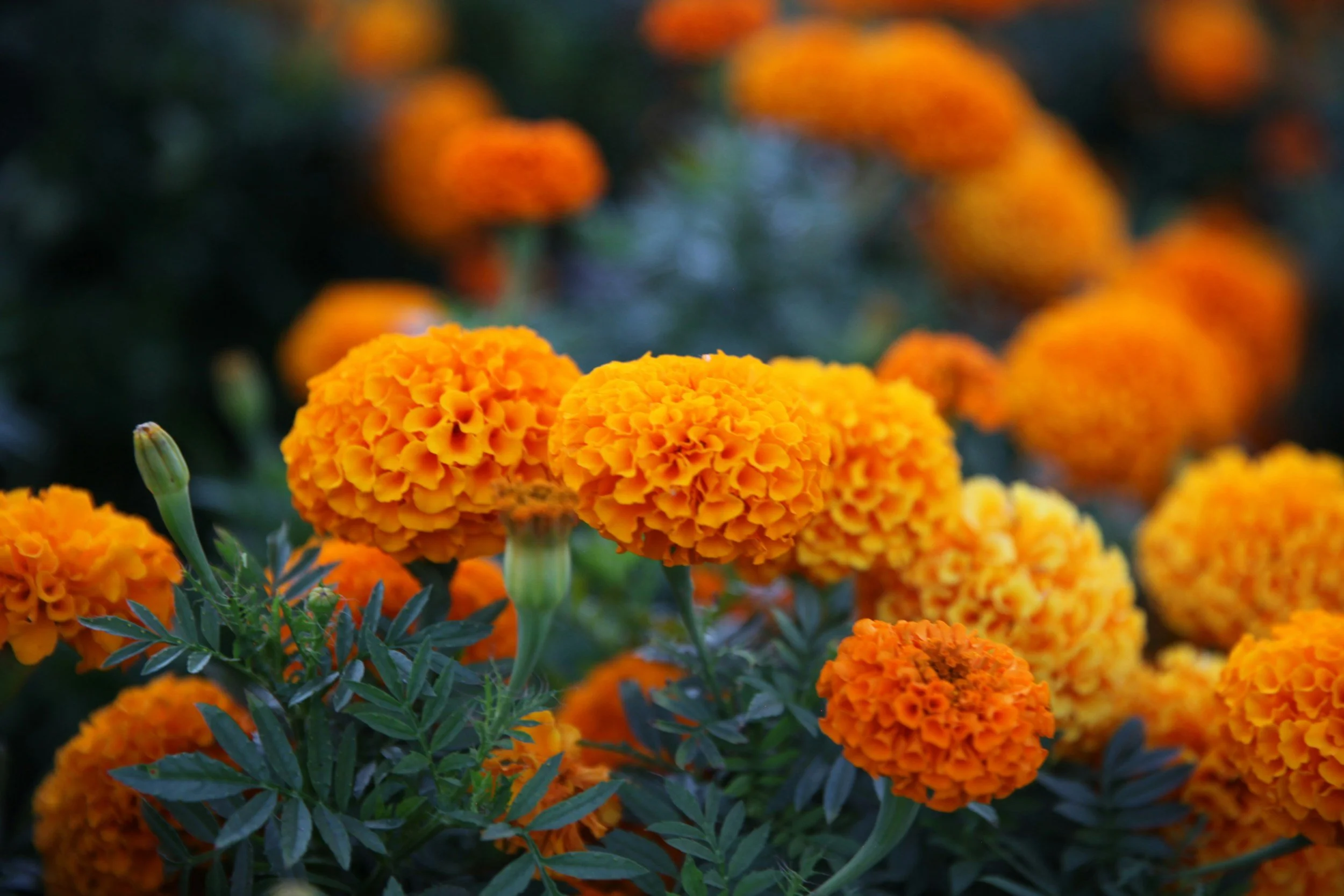
In Oaxaca, the marigold moves between garden, market, and altar as something that belongs equally in all three. On Día de Muertos, its scent is said to guide the dead home — a plant that functions as both the beautiful and the useful, the everyday and the sacred.
In Mexico City's chinampas, crops grow on ancient floating gardens in Xochimilco, roots reaching down into the water below. On a boat drifting slowly through the canals, the smell of soil is surprisingly strong for something built on a lake.

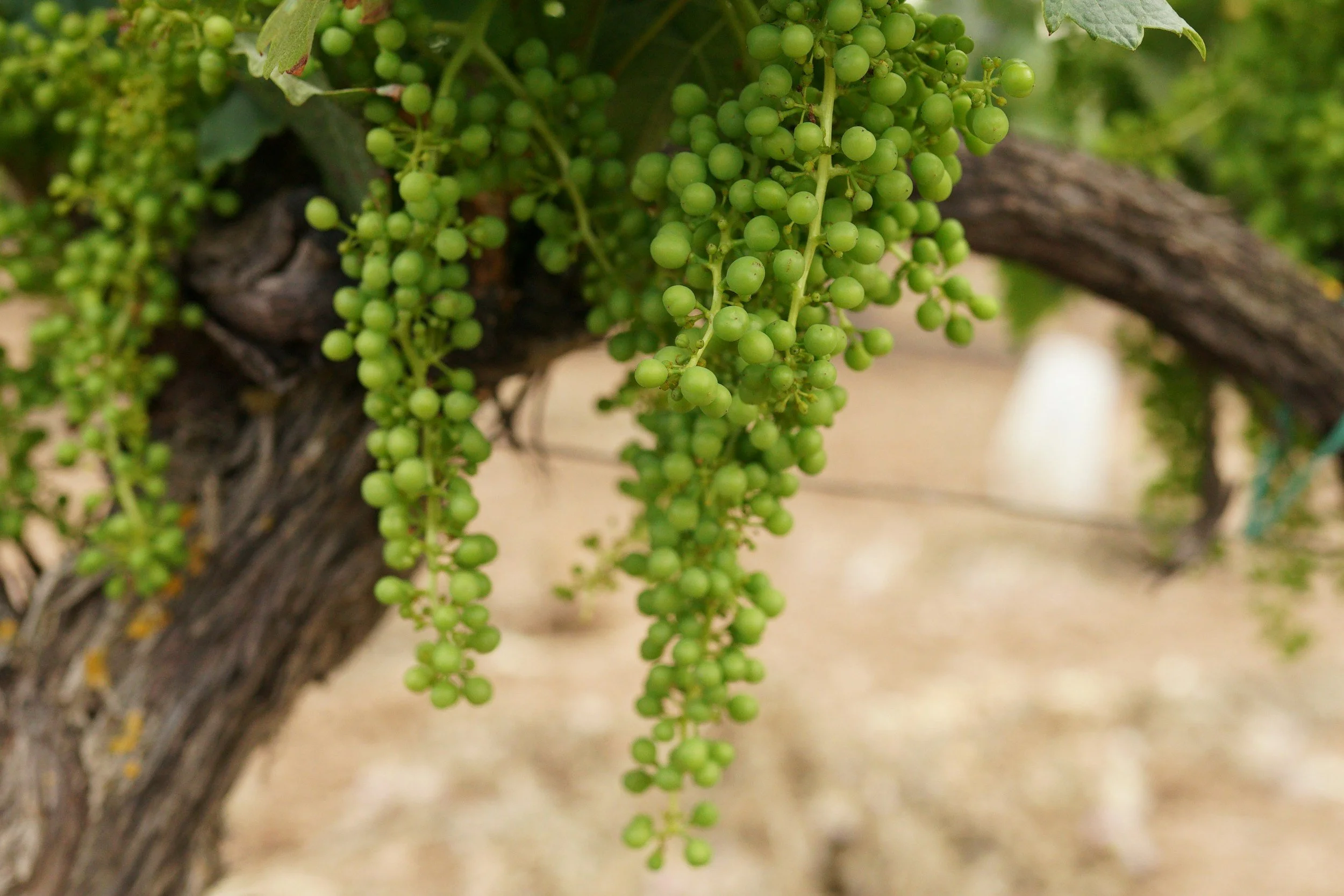
In Tbilisi, grapevines trained across the wooden balconies of the old town become so dense by midsummer that the balcony itself becomes a room — shaded, cooled, enclosed by leaves rather than walls. A form of seasonal architecture, rebuilt every year as the plant grows back.
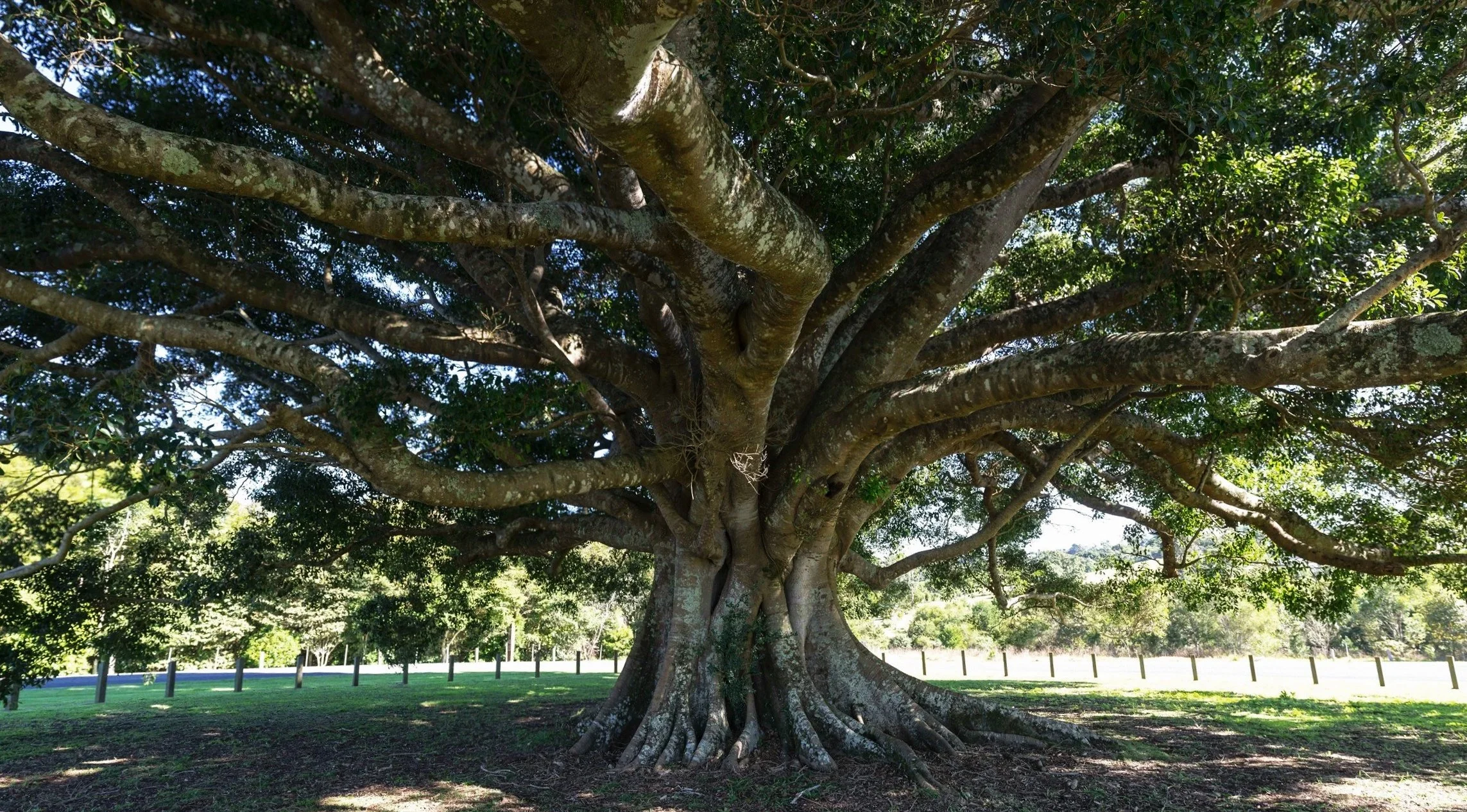
In Mumbai, the sacred peepal fig grows out of walls and cracks through pavements. Considered too holy to remove in Hindu tradition, it is routed around, built around, incorporated into street shrines at its base. A city that redirects infrastructure for a tree has its priorities legible in its roots.
And what about your city? What grows in it and what does it say about the place you've chosen to live?
