
Wabi-Sabi: The Art of Imperfection and Spherical Plant Pots
by Anna:)
In an age driven by perfection, polish, and endless pursuit of the “new,” the Japanese philosophy of wabi-sabi offers a gentle, poetic counterbalance. Rooted in Zen Buddhism and the aesthetics of ancient tea ceremonies, wabi-sabi is an appreciation of the imperfect, the impermanent, and the incomplete. It invites us to notice the subtle beauty in worn textures, cracked ceramics, and the quiet stillness of nature as it slowly decays and renews.
But wabi-sabi is more than just a visual style – it is a worldview, a way of living, and perhaps most importantly, a way of seeing.
What Is Wabi-Sabi?
The term “wabi-sabi” (侘寂) is composed of two characters:
Wabi (侘) originally referred to the loneliness of living in nature, away from society. Over centuries, it evolved to signify a rustic simplicity and quiet elegance.
Sabi (寂) means “withered” or “chill,” but came to embody the beauty that comes with age and the patina of time.
Together, they form a concept that prizes natural flaws, humble materials, and the quiet dignity of objects marked by time and use.
As Japanese architect Tadao Ando said: "Wabi-sabi implies a unique form of beauty that is incomplete, impermanent, and imperfect. It’s the antithesis of the Western ideal of beauty."
A Brief History: From Zen to Ceramics
Wabi-sabi arose in tandem with the development of the Japanese tea ceremony (茶 道, sadō) in the 15th century. Masters like Sen no Rikyū revolutionized the ceremony by stripping away its extravagance and emphasizing simplicity and sincerity. He favored rough clay cups over ornate porcelain and rustic huts over elegant teahouses.
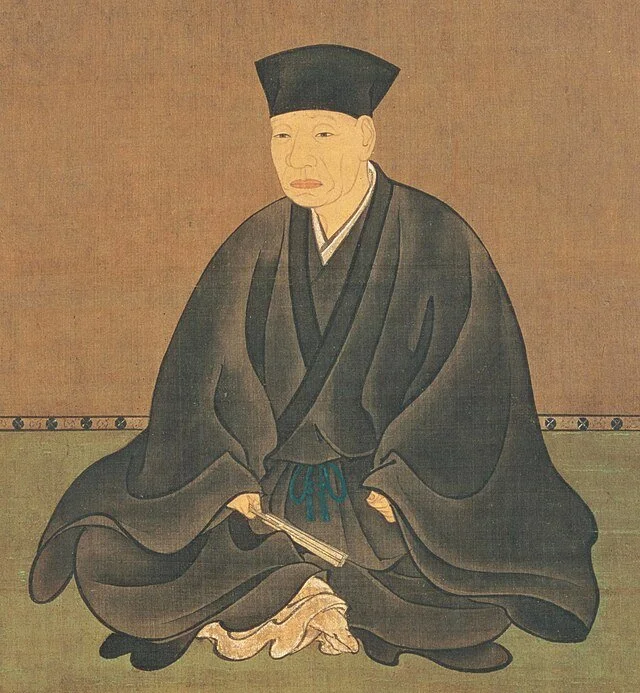
Sen no Rikyū
Rikyū once famously selected a blackened, cracked tea bowl as the centerpiece of a ceremony, saying: “Never forget the beauty of emptiness.”
His choices reshaped Japanese aesthetics forever. Cracks became stories. Rust became elegance. Emptiness became presence.
Living Wabi-Sabi Today
You don’t have to live in Kyoto or perform tea rituals to bring wabi-sabi into your life. It begins with a shift in perception. Here’s how you can invite it in:
Choose handmade: Surround yourself with items that bear the mark of the human hand – irregular edges, visible brushstrokes, unique textures.
Celebrate aging: Rather than hiding signs of wear, let them show. Patina is memory.
Embrace asymmetry: Let go of perfection. A slightly crooked vase, a chipped mug – these imperfections are reminders of reality, not flaws.
A Natural Match: Spherical Plant Pots Inspired by Wabi-Sabi
If you’re drawn to wabi-sabi, you may find joy in surrounding yourself with forms that feel organic and quietly imperfect. That’s the philosophy behind our handcrafted spherical plant pots at Dirty Roots.


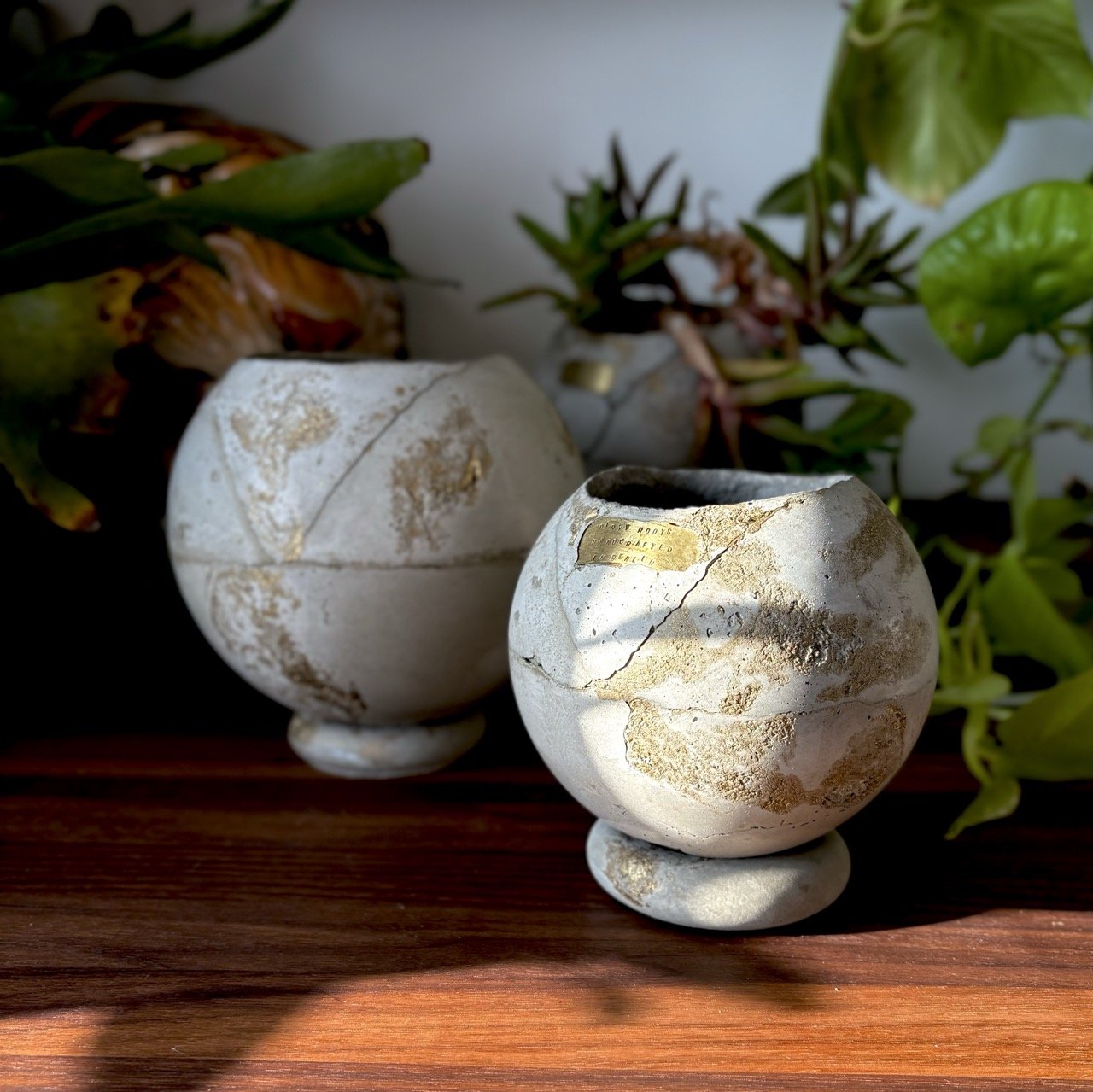

Each pot is unique, made to celebrate natural curves, uneven surfaces, and the soulful character of materials. They're not just containers for plants – they are a part of your environment’s inner peace. Their shape recalls the earth itself: round, grounded, whole.
Explore our collection and bring a bit of quiet elegance into your home or garden.
Wabi-Sabi and the Modern Mind
In a digital world of constant updates and filtered images, the wabi-sabi way can be a balm. It tells us that things don’t need to be perfect to be beautiful. In fact, beauty may begin only after perfection ends.
As author Leonard Koren, in his influential book Wabi-Sabi for Artists, Designers, Poets & Philosophers, writes: “Wabi-sabi is a beauty of things imperfect, impermanent, and incomplete. It is a beauty of things modest and humble. It is a beauty of things unconventional.”
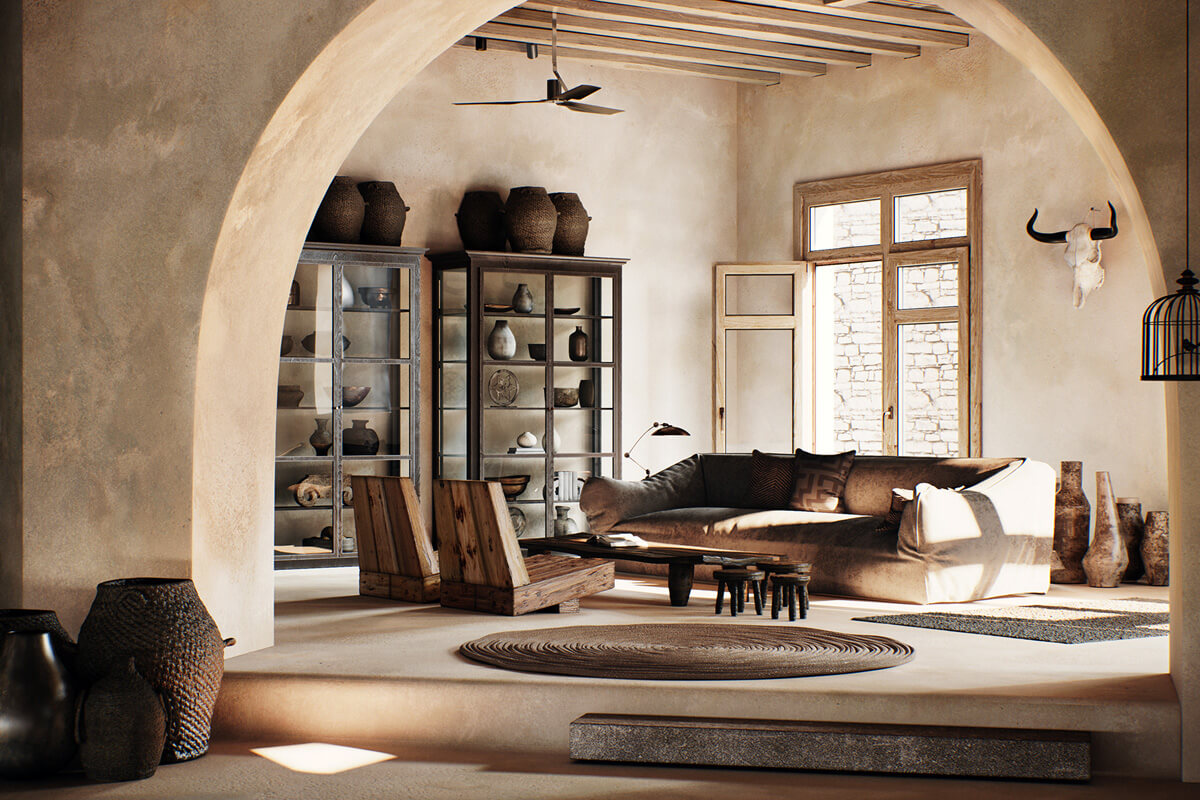
To live wabi-sabi is to slow down, notice the chipped edge of your teacup, the fallen leaf outside your window, the silence between thoughts. It is to let go, and in doing so, to rediscover something essential.
Final Thought
Wabi-sabi isn’t just an aesthetic – it’s a feeling. A quiet, breath-like realization that the world is more beautiful because of its fragility, not despite it. To live wabi-sabi is to fall in love with the way things fall apart.
And in that spirit, maybe it’s time we gave our plants a home that echoes that same natural poetry.
Further Reading & Sources
Koren, Leonard. Wabi-Sabi for Artists, Designers, Poets & Philosophers. Stone Bridge Press, 1994.
Richie, Donald. A Tractate on Japanese Aesthetics. Stone Bridge Press, 2007.
Ando, Tadao. “Thoughts on Japanese Space.” In Japan Architect, various issues.
https://www.nippon.com/en/japan-topics/g00778/ – Wabi-sabi in contemporary Japanese culture
https://theculturetrip.com/asia/japan/articles/wabi-sabi-explained/ – A beginner’s guide to the concept
