
Reawakening Our Senses to Forgotten Plants
by Clarisse :)
In our modern daily lives, our connection with nature is often reduced to aesthetics, to decorative objects. We forget that, long before they were design elements, plants were pillars of human survival: they nourished, healed, and protected us. At Dirty Roots Berlin, we're not just trying to follow a "green" trend; we're trying to revive this deep and often-forgotten connection. Every plant is a story, an ally, a breath of life waiting to be rediscovered.
Plantain: The Natural Bandage of the Path
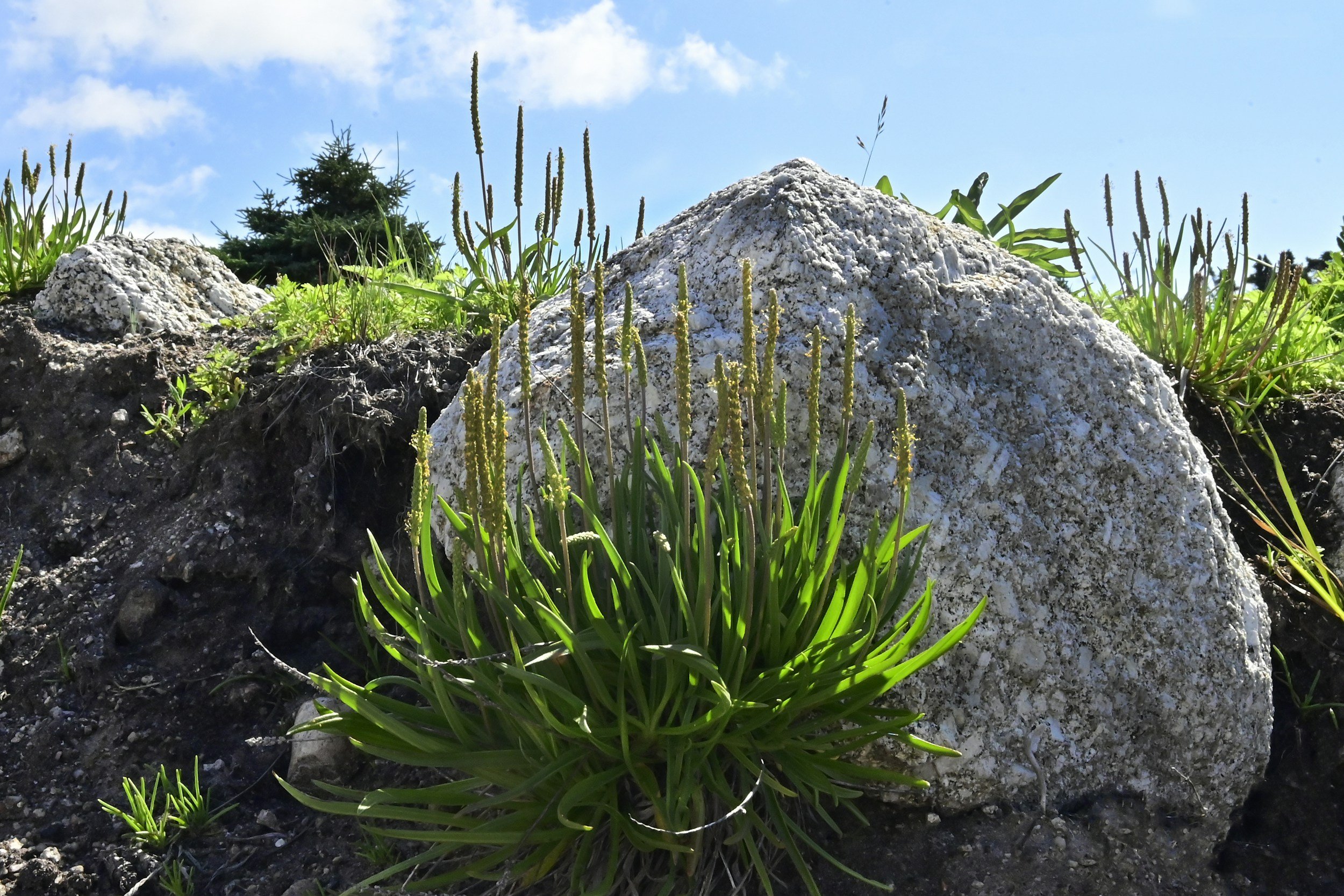
Commonly found on our lawns and paths, plantain is often ignored, trampled without a second thought. And yet, this humble plant is a true first-aid kit at our fingertips. The Greeks and Romans already used it to treat wounds, insect bites, and skin inflammations. It is a symbol of resilience and effective simplicity.
Main virtues: healing, anti-inflammatory, antiseptic, mild expectorant.
How to use it:
As a poultice: Crush a few fresh plantain leaves and apply them directly to an insect bite, a small cut, a blister, or a minor burn. The relief is almost immediate, and healing is accelerated.
As an infusion: To soothe respiratory tract irritations (coughs, bronchitis) or mild digestive issues.
Horsetail: The Earth's Mineral Strength
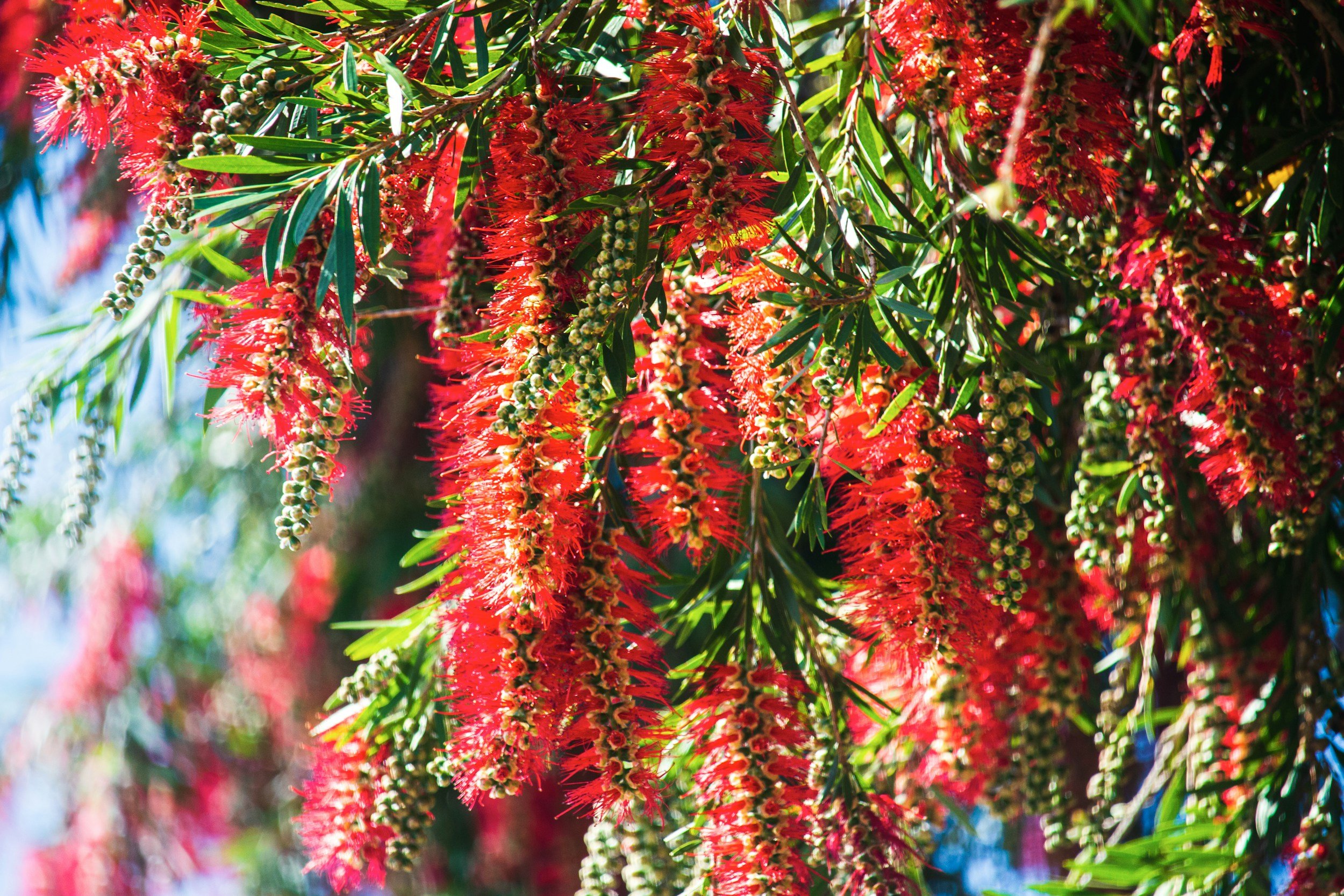
With its prehistoric appearance, field horsetail (Equisetum arvense) is one of the plants richest in organic silica, a mineral essential for the health of bones, nails, hair, and skin. Used since antiquity, it was known for its remineralizing and diuretic properties, contributing to the body's overall vitality.
Main virtues: remineralizing, diuretic, connective tissue support (skin, hair, nails), hemostatic.
How to use it:
As a decoction: Let the dried plant boil for a few minutes, then infuse for a mineral-rich drink, which is particularly beneficial for bones and joints.
In a foot or hand bath: A concentrated decoction can be used to strengthen brittle nails or soothe tired feet.
Greater Celandine: The Yellow Treasure
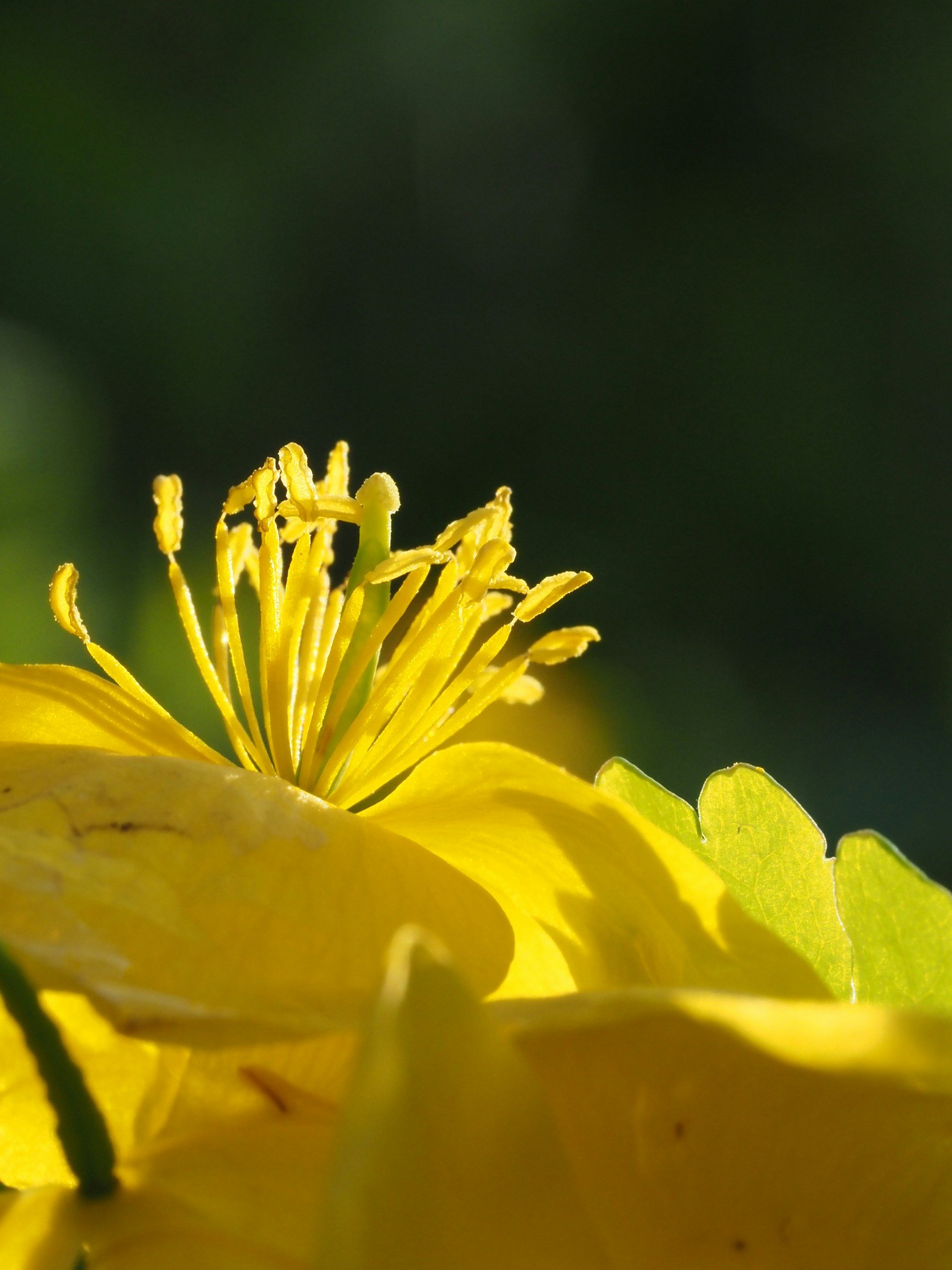
Often found near old walls and abandoned areas, greater celandine (Chelidonium majus) is recognizable by its orange sap that flows when you break its stem. This sap has been traditionally used for its caustic properties on warts. It is a powerful plant that demands respect and caution.
Main virtues: Antiviral (external use), antispasmodic (internal use, under supervision), liver cleansing (under supervision).
How to use it: Local application (sap): Apply the fresh sap directly to a wart, very precisely and regularly, until it disappears.
Caution: The sap is irritating and should not touch healthy skin or eyes. For external and very localized use only.
Infusion/Tincture: For internal uses (liver problems, spasms), it is used with extreme caution and only under the strict supervision of a herbalist or doctor due to its potential toxicity in high doses.
Salad Burnet: The "Bleeding Herb"
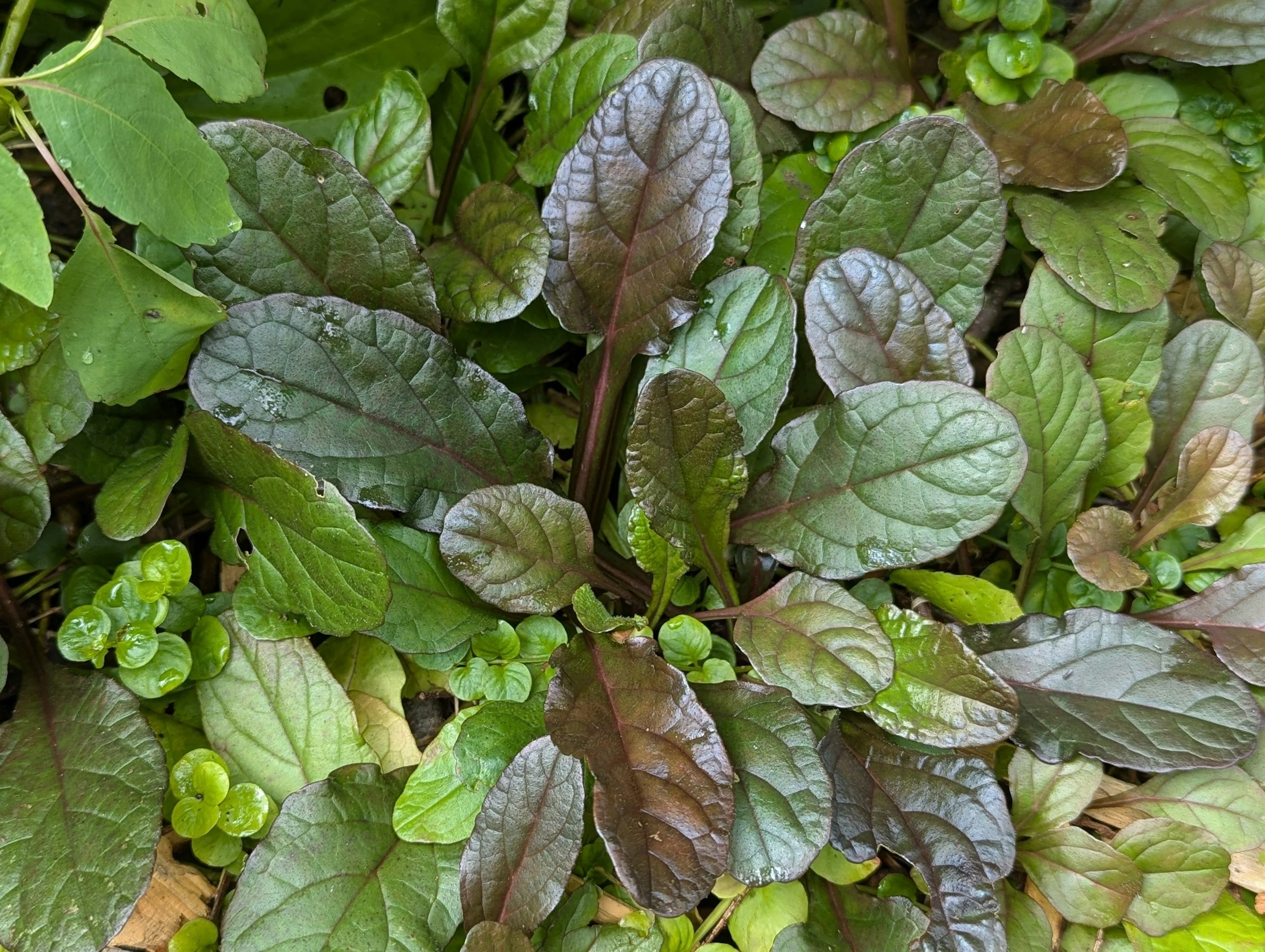
This small, elegant plant with reddish spherical flowers is less known than its medicinal counterparts, but it was once a valuable ally for its astringent and hemostatic properties. It is also traditionally used in cooking for its fresh, subtle cucumber-like taste.
Main virtues: hemostatic (stops bleeding), astringent, digestive. How to use it:
As an infusion: Used to calm minor internal hemorrhages (frequent nosebleeds, heavy periods) or stomach bug.
In cooking: Fresh young leaves can be added to salads, sauces, or soups for a refreshing, slightly peppery note.
White Dead-Nettle: The Gentle Nettle

Surprisingly resembling the stinging nettle, white dead-nettle (Lamium album) is actually a "false nettle" that does not sting. Its helmet-shaped white flowers and leaves are used for their softening and anti-inflammatory properties, particularly for women's health and the respiratory tract.
Main virtues: soothing, expectorant, anti-inflammatory, astringent, flow regulator.
How to use it:
As an infusion: The flowers and leaves are used to relieve respiratory ailments (coughs, bronchitis), urinary tract infections, or to soothe painful and heavy periods.
In a sitz bath: A concentrated infusion can be used for intimate irritations or hemorrhoidal problems due to its astringent and soothing properties.
At Dirty Roots Berlin, we cultivate a simple and deep connection with these plants. Not to follow a "green" trend, but because every object, every pot, every sphere is designed to extend this relationship with nature by honoring it, not just decorating it. A plant is not an accessory. It is a memory, a confidant, a breath. The raw spheres we find here don't just contain plants: they protect them, enhance them, and remind us that in the slowness of life, there is a whole world to rediscover.