
Read the Room: What Plants Mean in the Books That Shaped Us
In books, plants are rarely innocent.
A rose is almost never just a rose. A willow by the river is usually carrying grief. A locked garden tends to mean that someone, somewhere, has stopped living properly. Writers have always used plants as a kind of quiet language running underneath the plot.
We notice it instinctively, even when we do not consciously read it. We know that ivy feels different from jasmine, that poppies suggest something darker than daisies, that rosemary carries memory while lilies arrive with mourning. Once you start paying attention, entire books change. Suddenly the garden is not a setting but an argument. The flower on the table is not romantic but threatening. The plant by the window is there for a reason.
The Lotus in The Odyssey: Forgetting as a Form of Death
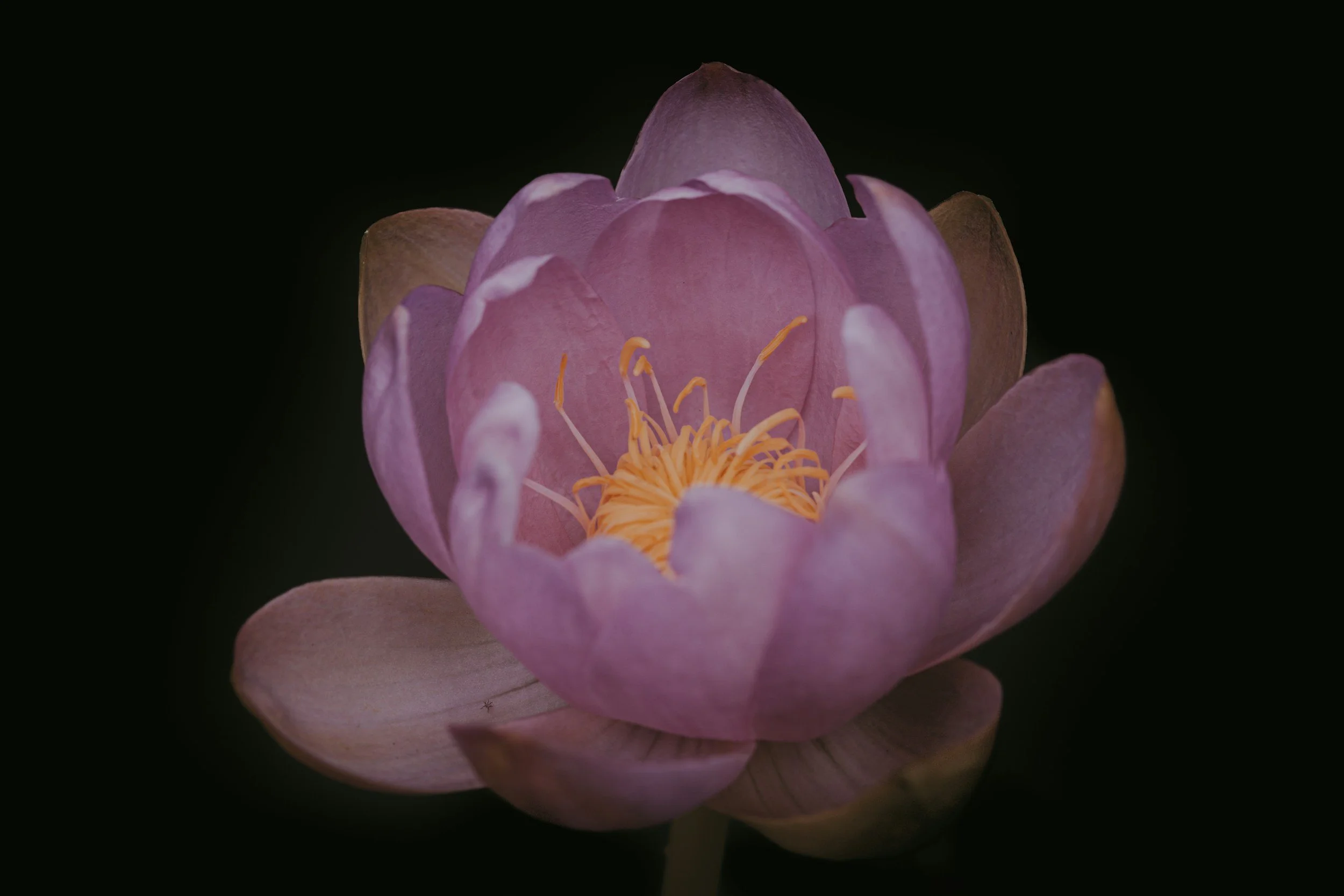
One of the strangest plants in literature appears very early in Homer’s Odyssey, when Odysseus and his crew arrive in the land of the Lotus-Eaters. The people there offer them lotus, and those who eat it lose all desire to return home. Ithaca and the journey itself stop mattering. They become perfectly content to remain exactly where they are, suspended in comfort, with no urgency and no intention of leaving. Odysseus has to drag them back to the ships by force.
The Odyssey is not simply an adventure story, it is a story about return. Home is the entire point. To stop wanting home is, in a sense, to disappear from the story altogether. The lotus is dangerous because it erases the will that gives the body direction.
For the ancient Greeks, this was not a small idea. Identity was tied to memory, duty, family, and place. To forget where you belonged was to lose part of yourself. That is why the choice of plant is so clever. Homer does not use a monster or a weapon. He gives us a flower, a beautiful, passive thing that offers not violence, but comfort.
Friar Lawrence’s Garden: Shakespeare Knew His Plants
One of the most revealing scenes in Romeo and Juliet happens far from the balcony, the duel, or the tomb.
At dawn, Shakespeare introduces Friar Lawrence, the Franciscan friar who secretly marries Romeo and Juliet and later devises the sleeping potion that sets the final tragedy in motion, not in a church or in conversation, but alone in his garden, carrying a basket of herbs and flowers. Before he says anything about love or fate, he speaks about plants.
“Within the infant rind of this weak flower
Poison hath residence and medicine power.”
It is one of Shakespeare’s clearest botanical statements, and also one of his clearest moral ones. The same plant can heal or kill depending on how it is used, who uses it, and how much is taken. Remedy and poison are often separated only by intention and circumstance.
Shakespeare knew medicinal gardens well, and so did his readers. Herbal medicine was part of domestic life, and the line between cure and danger was thin. Rue, wormwood, rosemary, foxglove, yew, plants were useful, but never harmless. A garden was not just beauty; it was chemistry.
Friar Lawrence himself is described as one of those plants. He is a healer, a counsellor, a spiritual guide and also the accidental architect of catastrophe. His sleeping potion for Juliet belongs to the same logic as the flowers in his basket: what saves can also destroy.
The garden scene matters because it quietly explains the whole play before the deaths arrive. Love works by the same rule. Passion can rescue people from loneliness, family violence, and emotional isolation. It can also ruin lives with terrifying efficiency.
Voltaire and the Most Famous Garden in Philosophy
At the end of Candide, after war, disaster, cruelty, absurdity, and Voltaire’s relentless dismantling of optimistic philosophy, the novel arrives at one of the most quoted lines in literature:
“Il faut cultiver notre jardin.” We must cultivate our garden.
It sounds simple, almost too simple after everything that comes before it. But that simplicity is exactly the point. Voltaire could have ended with a grand philosophical revelation, some final system explaining suffering and how to overcome it. Instead, he chooses gardening. And specifically, cultivation. It is slow, repetitive, practical, and often unglamorous. A garden does not care how clever your theories are. It asks for water, attention, patience, and the willingness to return every day even when nothing dramatic seems to be happening.
You cannot debate a neglected plant into thriving. You have to show up, notice what is wrong, and do the work. That is what makes the metaphor so sharp. After all the chaos of Candide, Voltaire suggests that the answer to how to live may not be found in perfect ideas, but in useful responsibility.
Willow, Poppy, and the Victorian Language of Grief
Victorian literature loved plants because Victorian culture loved coded feeling. Emotion had rules. Mourning had etiquette. Even flowers carried social information. Entire conversations could happen through bouquets, and readers were expected to understand what certain plants implied without explanation.
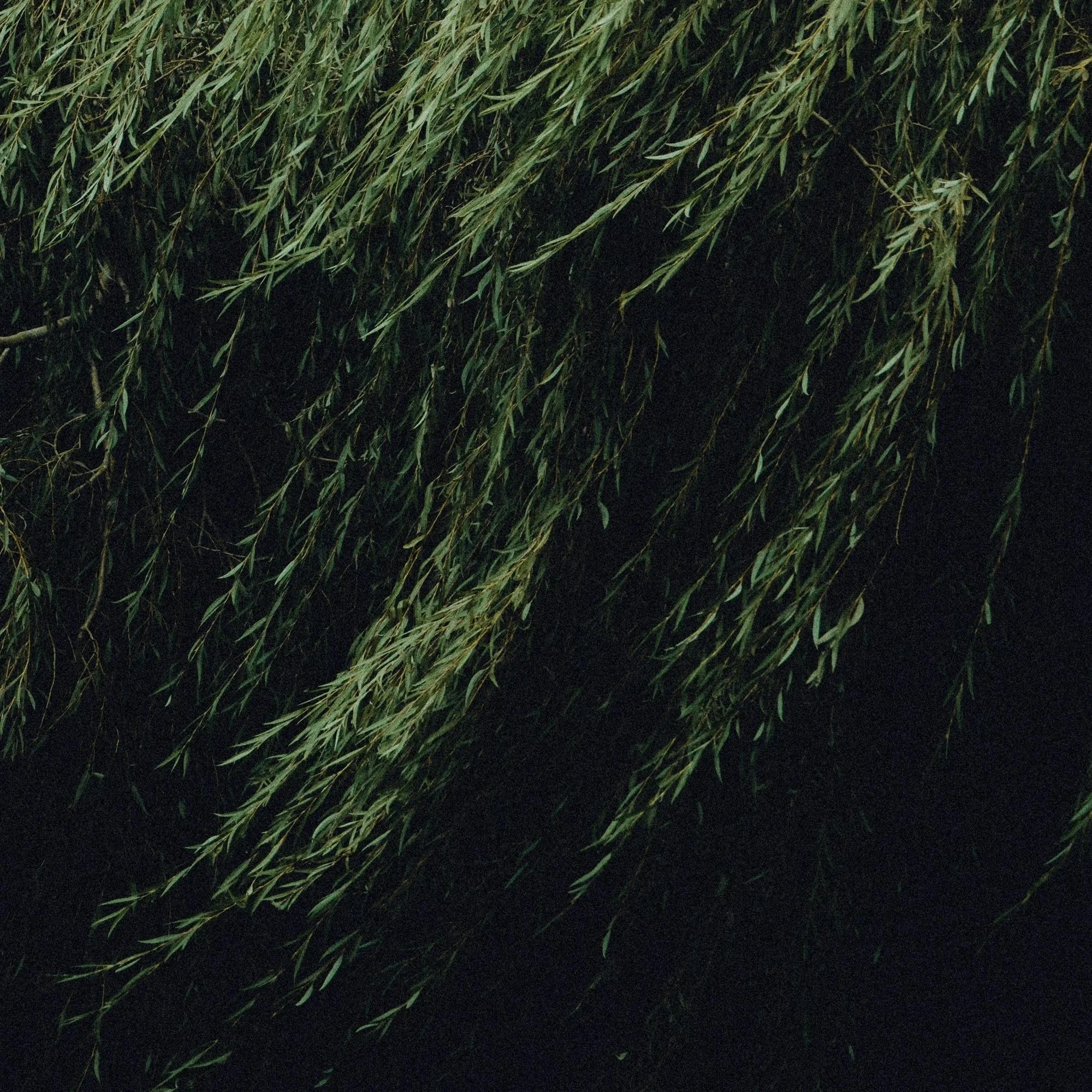
Willow became one of the strongest symbols of grief, particularly feminine grief. Its long, drooping branches made sorrow visible; it looked like mourning. It appears again and again around abandoned women, emotional instability, and melancholy. Think of Ophelia near the water, framed by the willow tree in Hamlet. Shakespeare helped create the image that Victorian writers would return to for generations.
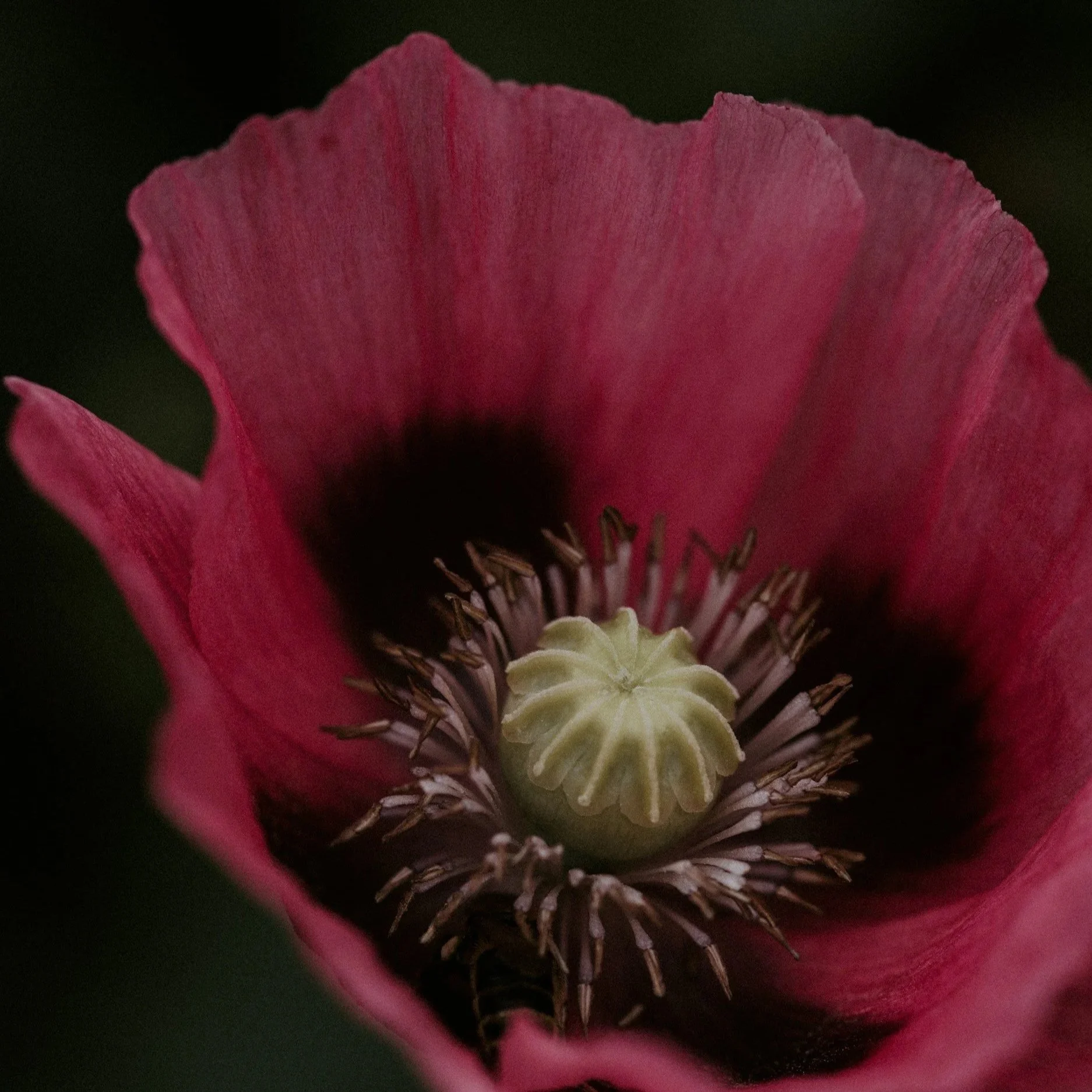
Poppies carried something more dangerous. They suggested sleep, oblivion, altered consciousness, and a certain kind of seductive passivity. Their connection to opium made them especially charged in nineteenth-century writing. A poppy in a scene often hinted at forgetting, escape, or emotional surrender.
Writers like George Eliot and Thomas Hardy used these plants as emotional shorthand. A woman walking beneath willow branches is already being introduced to the reader before she speaks. A field of poppies is not simply beautiful; it is slightly threatening.
We still understand this, even if we no longer know the formal code. A willow still feels sad. A red poppy still feels heavier than a daisy. That instinctive reaction is proof of how strong botanical symbolism can be, it survives long after the original explanation has faded. The plant keeps speaking, even when we have forgotten the language.
The Secret Garden: Restoration Requires Dirt
Frances Hodgson Burnett’s The Secret Garden is often remembered as a children’s novel about a hidden garden and a lonely child learning how to be less lonely. It is also one of literature’s strongest arguments for the idea that tending plants can change a person.
Mary Lennox arrives at the beginning of the book as a child shaped by neglect, ill-tempered, physically weak, emotionally shut down, and almost entirely disconnected from the world around her. The locked garden she discovers is not symbolic in a vague, dreamy sense. It is structurally important. Healing happens because she enters it and begins to work.
She digs. She observes. She learns patience. She becomes responsible for something living outside herself.
The garden has been locked because grief has locked the entire household. It has been abandoned because mourning has turned inward and stagnant. Reopening it is not nostalgia; it is an act of agency. Life returns because someone decides to participate in it again. Even the plants themselves matter. Roses dominate the emotional landscape of the novel. But not fragile bouquet roses, rather climbing, thorned, stubborn living things that require care and season. Spring bulbs push through cold soil. Ivy climbs old walls. Wildness is not treated as disorder, but as proof that life is still trying.
Poison Plants and Why Literature Loves Them
Literature has always trusted poison plants with its best drama. A sword is obvious. Poison is intimate.
Writers return to toxic botanicals because they allow danger to enter quietly, through beauty, domesticity, and trust. Hemlock, belladonna, foxglove, yew, oleander, mandrake, monkshood, these plants appear again and again because they belong naturally to gardens, kitchens, monastery walls, and apothecary shelves. They let death arrive disguised as medicine.
In Greek history and literature, hemlock becomes unforgettable through the death of Socrates, turning a simple plant into a symbol of philosophical martyrdom. In Shakespeare, poison is almost everywhere: Juliet’s potion, Hamlet’s poisoned cup, the herbs and warnings in Friar Lawrence’s garden. In Gothic fiction, deadly plants cling to manor houses and hidden greenhouses, making nature itself feel complicit.
Belladonna is especially beloved by writers because it carries contradiction so beautifully. Its name means “beautiful lady,” and historically it was used cosmetically to dilate pupils, even while being dangerously toxic. Foxglove offers another perfect literary paradox: deadly in the wrong dose, life-saving in the right one. Medicine and murder share a root system.
That is why poison in literature feels more unsettling than overt violence. It blurs care and harm. Someone offers you tea, a tincture, a flower, a cure—and the threat is already inside the gesture. Poison plants remind readers of something older and less comfortable than morality: nature does not arrange itself around human innocence. Beauty has never been proof of safety.
Reading the Room
Paying attention to plants changes the way books read. Suddenly rosemary is not there because it smells nice, but because it means remembrance. The garden at the end of the novel is not a pleasant backdrop but the author’s final argument. A field of flowers becomes ominous instead of romantic.
It also reminds us that earlier readers were often far more botanically fluent than we are. They lived closer to herbal medicine, poisonous knowledge, seasonal cycles, and the practical reality that plants could feed you, heal you, or kill you depending on what you misunderstood.
We tend to read flowers as aesthetics. Writers often meant them as evidence.
There is a reason literature keeps returning to gardens when it needs to talk about grief, morality, desire, and repair. Plants are useful because they refuse abstraction. They grow or they fail. They bloom or they don’t. And most importantly, characters can lie. Gardens usually cannot.
Did this make you think of a particular plant in one of your favourite books? A rose, a fig tree, a poisonous vine, a tree no one ever talks about but you always remembered?
