
Plants of Europe: beauty, healing and forgotten traditions
by Clarisse :)
When we think of plants, we often think of their aesthetics, how they dress our interiors or the attention we give to a loved one when we gift them. But before being an object of decoration, attention or contemplation, plants have long been perceived as allies of everyday life: they fed, cared, protected. And even if these ancient customs have sometimes fallen into oblivion, their power remains inscribed in our collective memory.
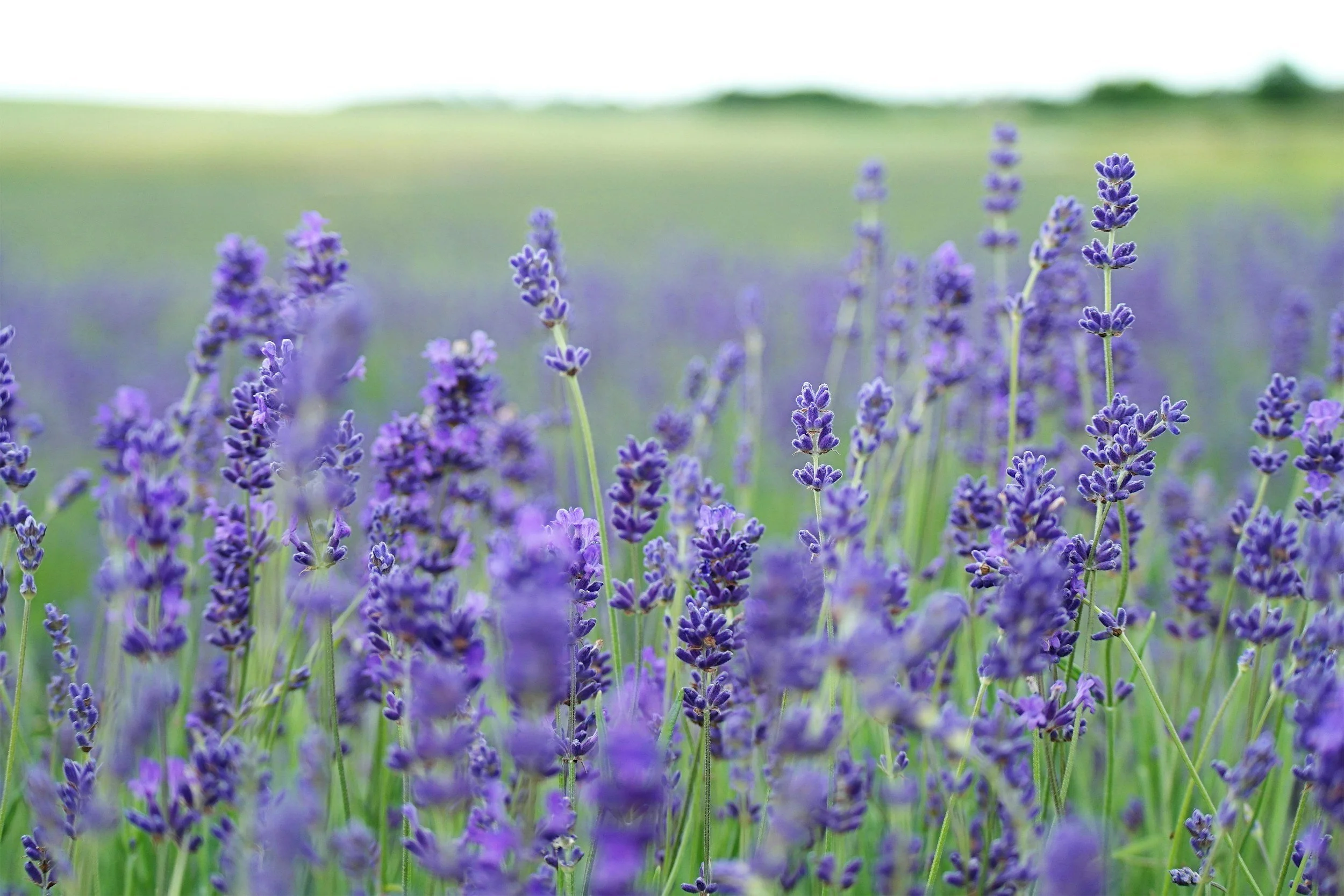
Lavender: The soul of the Mediterranean
An olfactory symbol of Provence, lavender is much more than a wardrobe fragrance. Used since Roman antiquity for its antiseptic and soothing virtues, it was added to baths, applied in oil or suspended in the rooms to keep insects away. Today, it’s still recommended to calm stress, promote sleep or relieve migraines.
Main virtues: soothing, healing, antiseptic.
How to use it: in essential oil, infusion or dried bouquet.
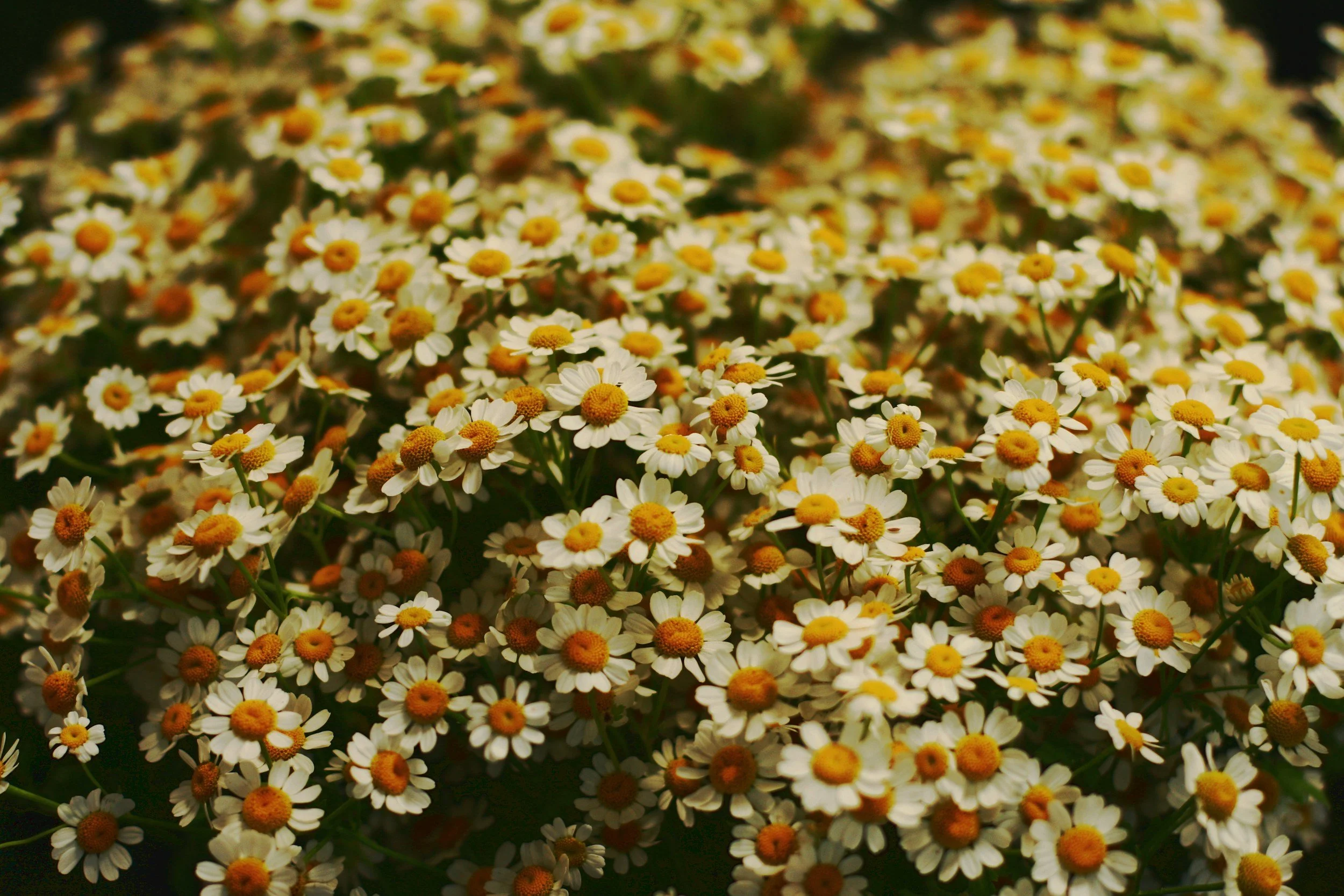
Chamomile: Sweet Strength
Small flower but strong power, the camomile matricaria grows everywhere in Europe. Behind its discreet silhouette hides one of the most used medicinal plants in phytotherapy. It helps to calm digestive disorders, inflammations and nervous tension.
Main virtues: anti-inflammatory, relaxing, digestive.
How to use it: in infusion (alone or with honey), in compress for tired eyes.
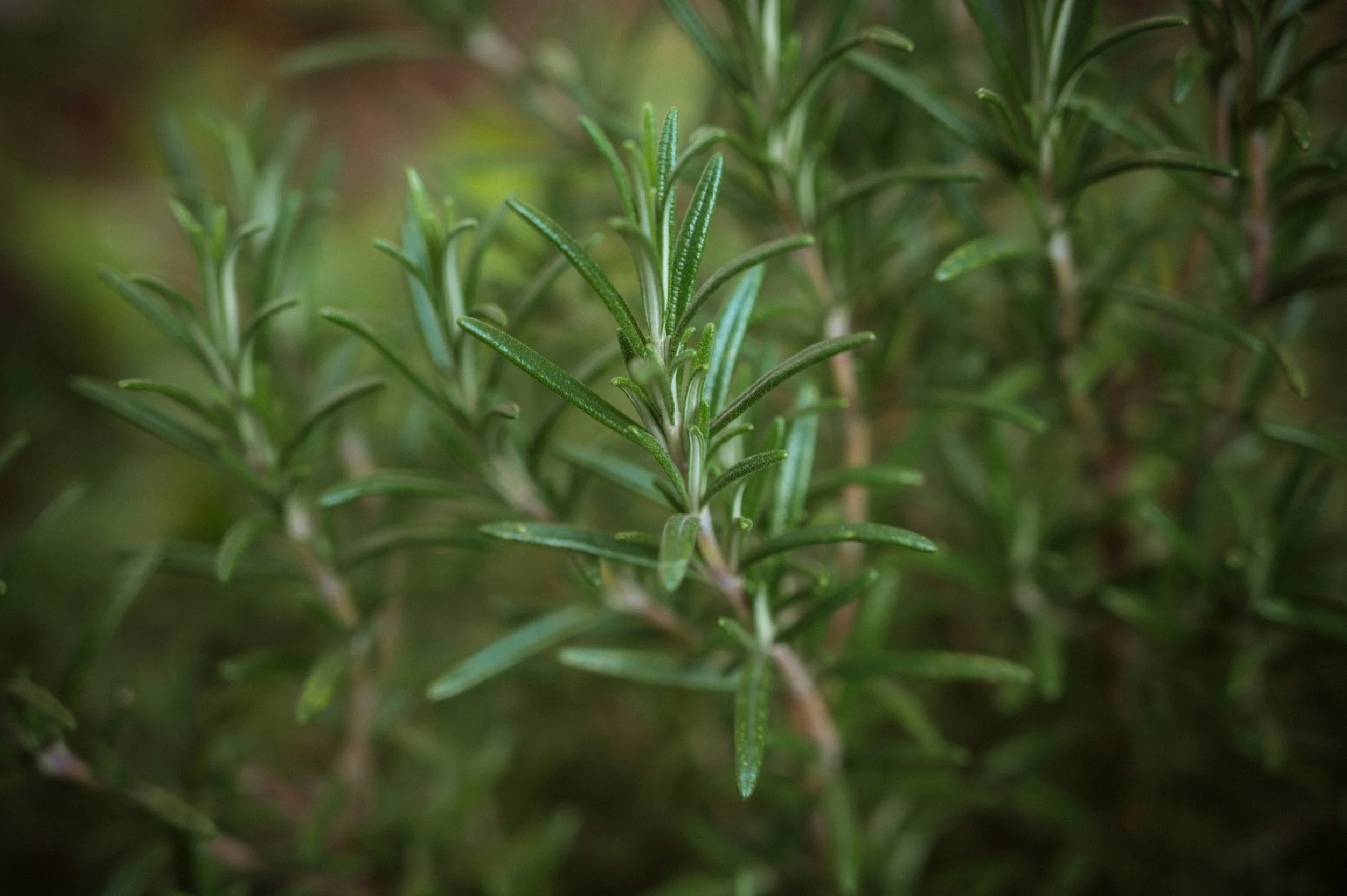
Rosemary: The Keeper of Memory
Plant of the Mediterranean hills, rosemary has been recognized for centuries for its stimulating virtues. In popular tradition, it was called “grass of remembrance”: in ancient Greece, students would put strands in their hair before exams. Today, it is known to promote blood circulation and stimulate cognitive functions.
Main virtues: tonic, antioxidant, improves concentration, growing hair.
How to use it: in cooking, essential oil or herbal tea.
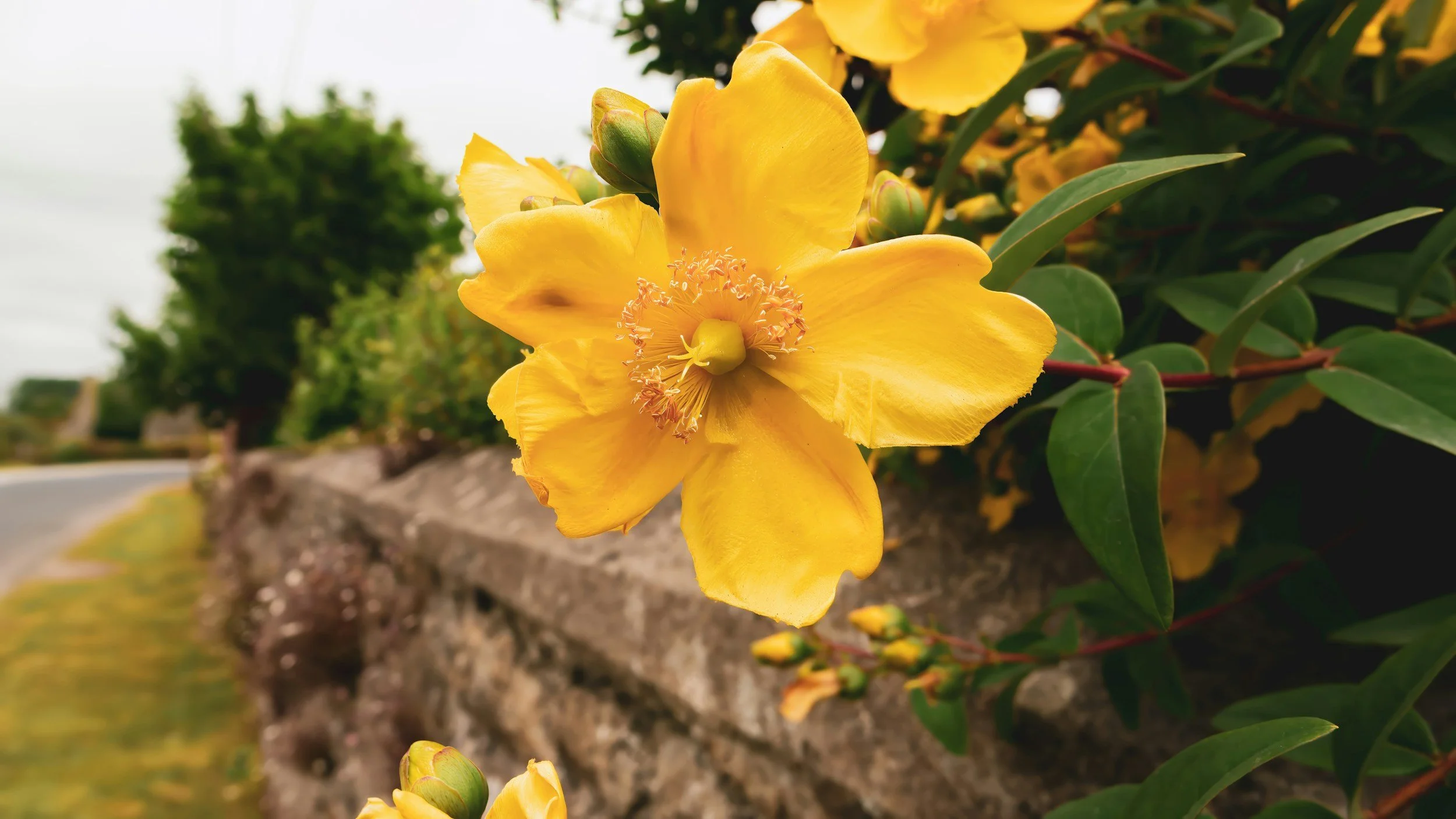
Millepertuis: Light in the Shadow
Blooming in the middle of summer, the Millepertuis is called “St. John’s wort” because it is traditionally harvested around the solstice. Used since the Middle Ages to treat wounds, it is now best known for its natural antidepressant effect. It helps to combat mild mood disorders and insomnia.
Main virtues: balancing nervous, anti-inflammatory, healing.
Caution: it may interact with certain drugs, medecine, to be used with care.
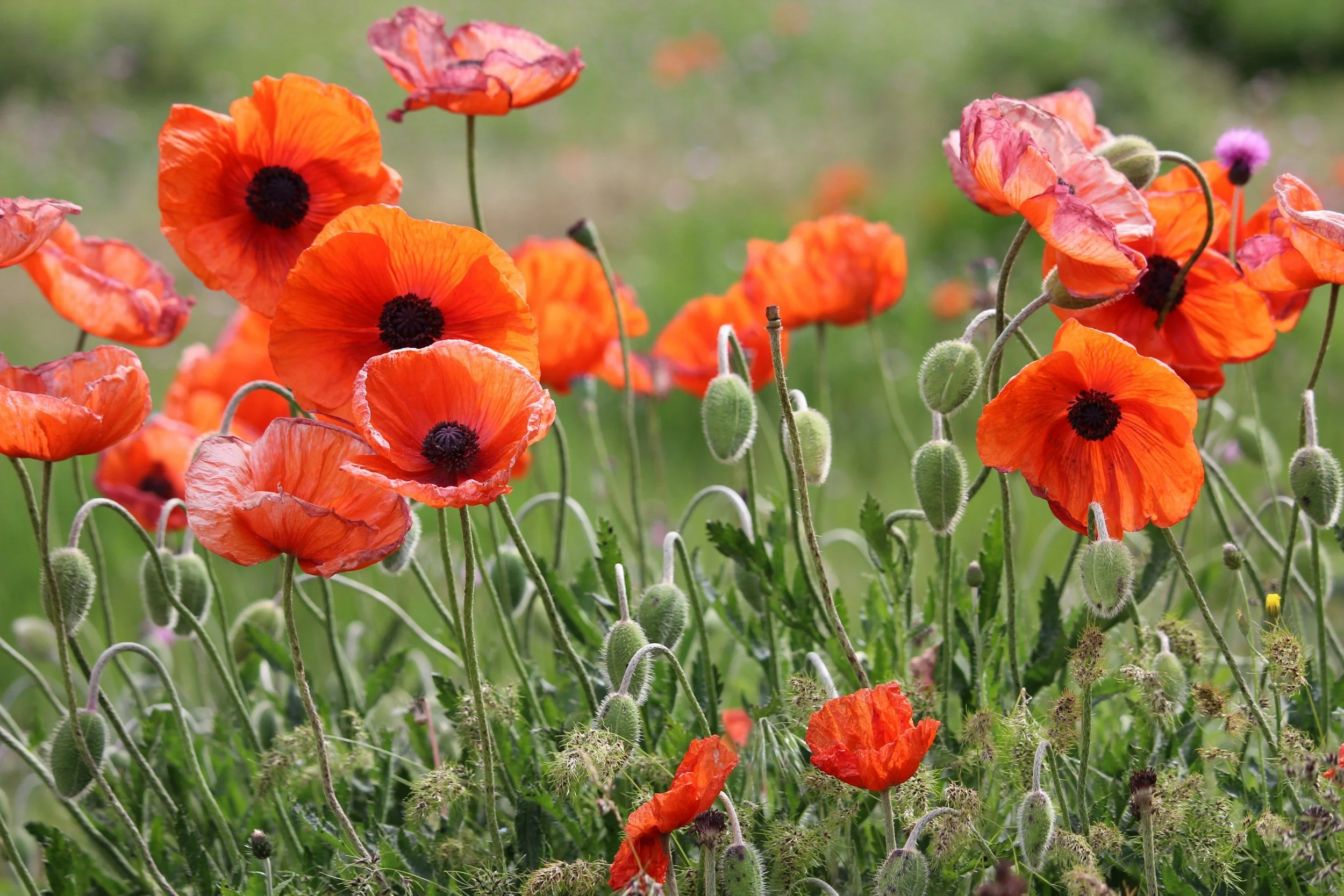
Poppy: The Poetry of Sleep
The flower of the field, poppy has long been associated with sleep and reverie. In infusion, its petals have a mild calming effect and is particularly suitable for children or the elderly. It was once integrated into evening teas to soothe the mind.
Main virtues: mild sedative, antitussive.
How to use it: in infusion or syrup.
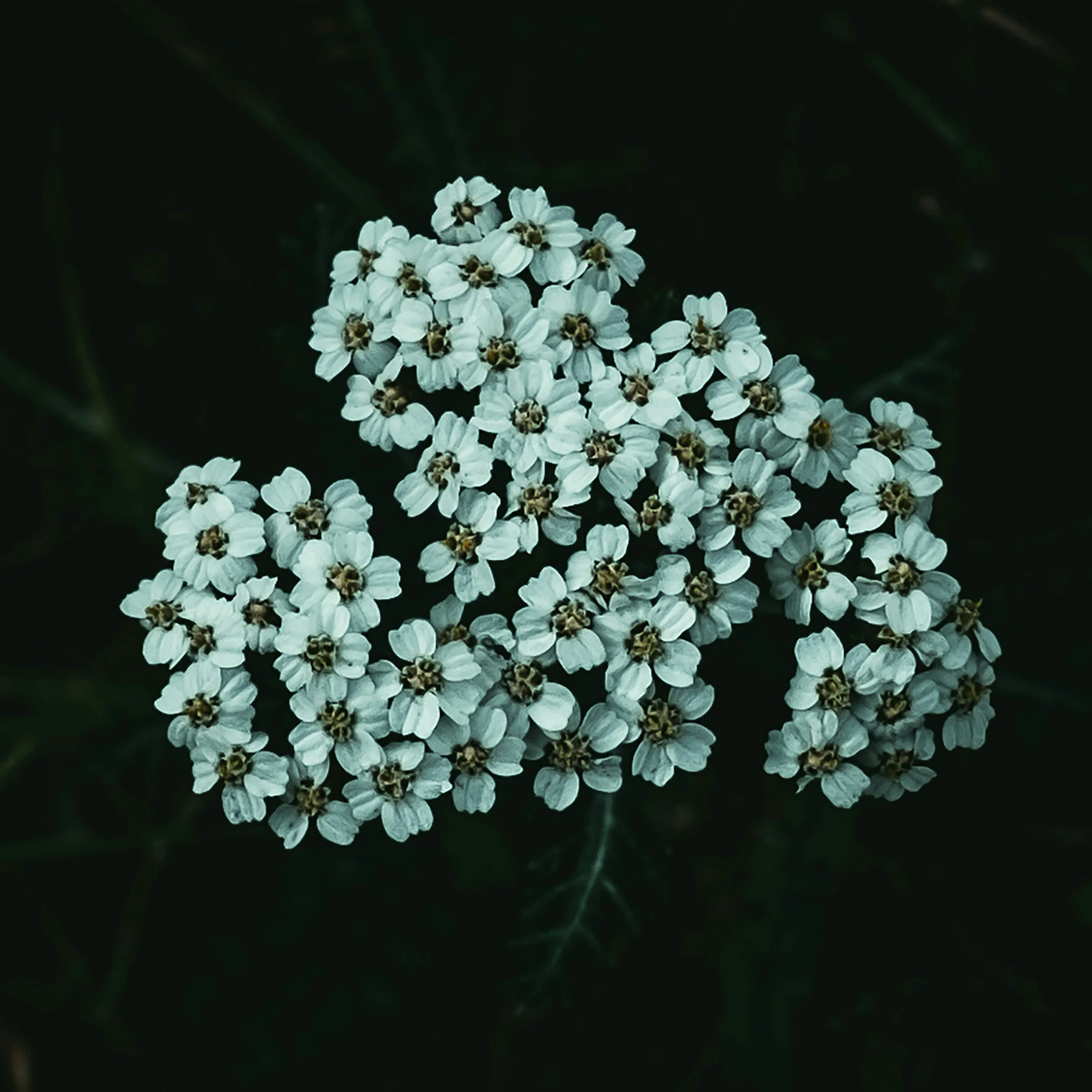
Achillea yarrow: The discreet warrior
Present throughout Europe, this plant with a poetic name actually bears that of the hero Achilles, who would have used it to heal his soldiers. It is known for its hemostatic properties (it stops bleeding) but also to regulate menstrual cycles.
Main virtues: healing, anti-inflammatory, female cycles.
How to use it: in infusion, skin oil.
Dirty Roots: slowness, care and attention
At Dirty Roots we find a simple and deep connection with these plants. Not to follow a “green” trend, but because every object, every pot, every sphere is designed to extend this relationship with nature by honoring it and not decorating it. The plant is not an accessory. It is a memory, an accomplice, a breath. The raw spheres that we find here do not just contain plants: they protect them, highlight them, and remind us that in the slowness of life, there is a whole world to rediscover.