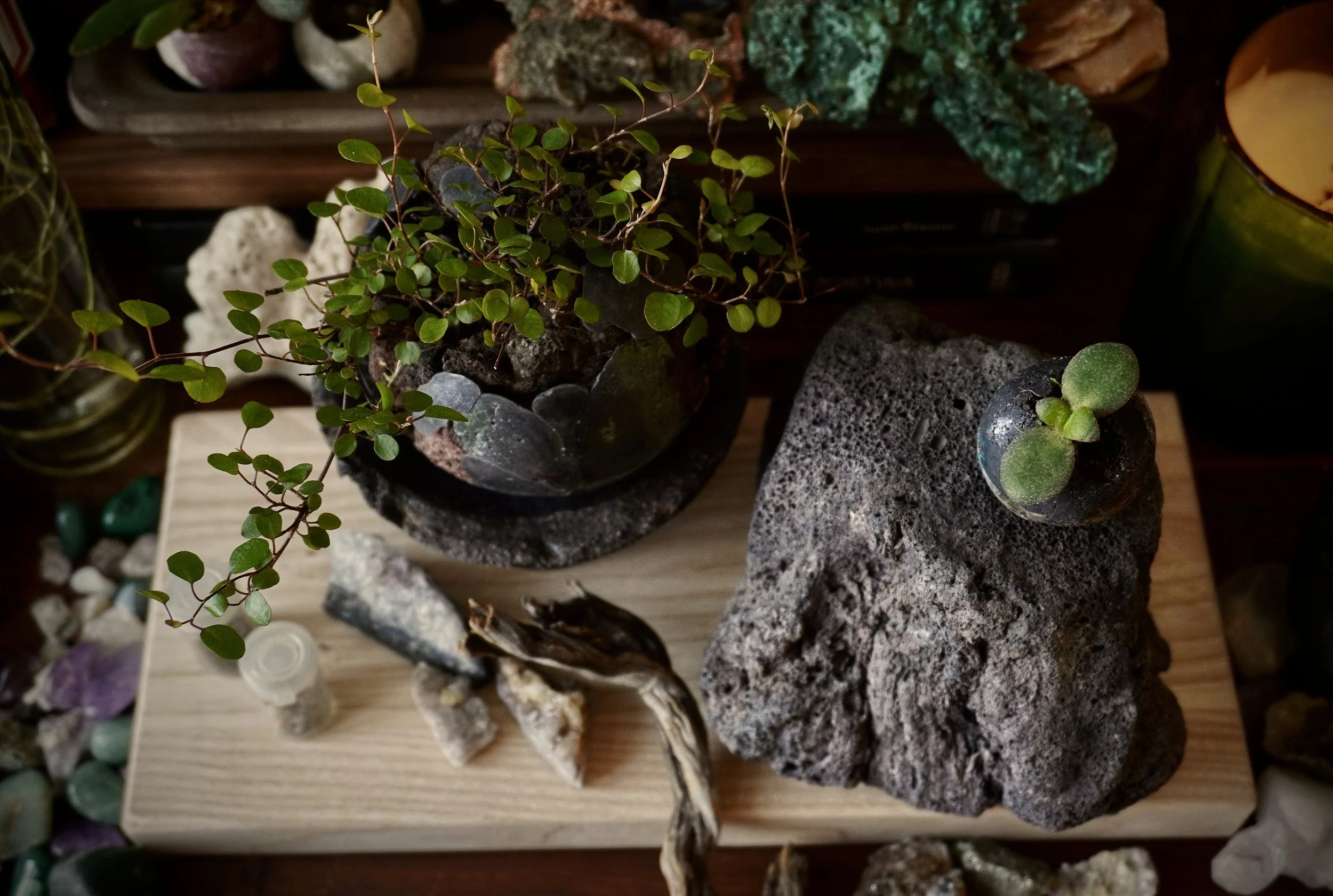
Plants in Our Visual Memory
For many of us, the first encounter with plants wasn’t driven by interest or choice, it happened much earlier, almost without intention.
In kindergarten, sitting around a small table, we were asked to place a bean inside a piece of cotton, add a little water, and wait. The exercise was simple and almost ceremonial. Every day we checked if something had changed. Sometimes it did but sometimes it didn’t, but that's fine, it is part of this experience in the end what mattered was not the result, but the act of observing.That moment, shared by people from very different backgrounds, quietly shaped our earliest visual memory of plants. Long before we knew what caring is for a plant, we learned that growth takes time, that it can’t be rushed, and that not everything responds to control. Even if the memory faded, the image stayed: a fragile green shoot emerging from white cotton, small but full of promise.
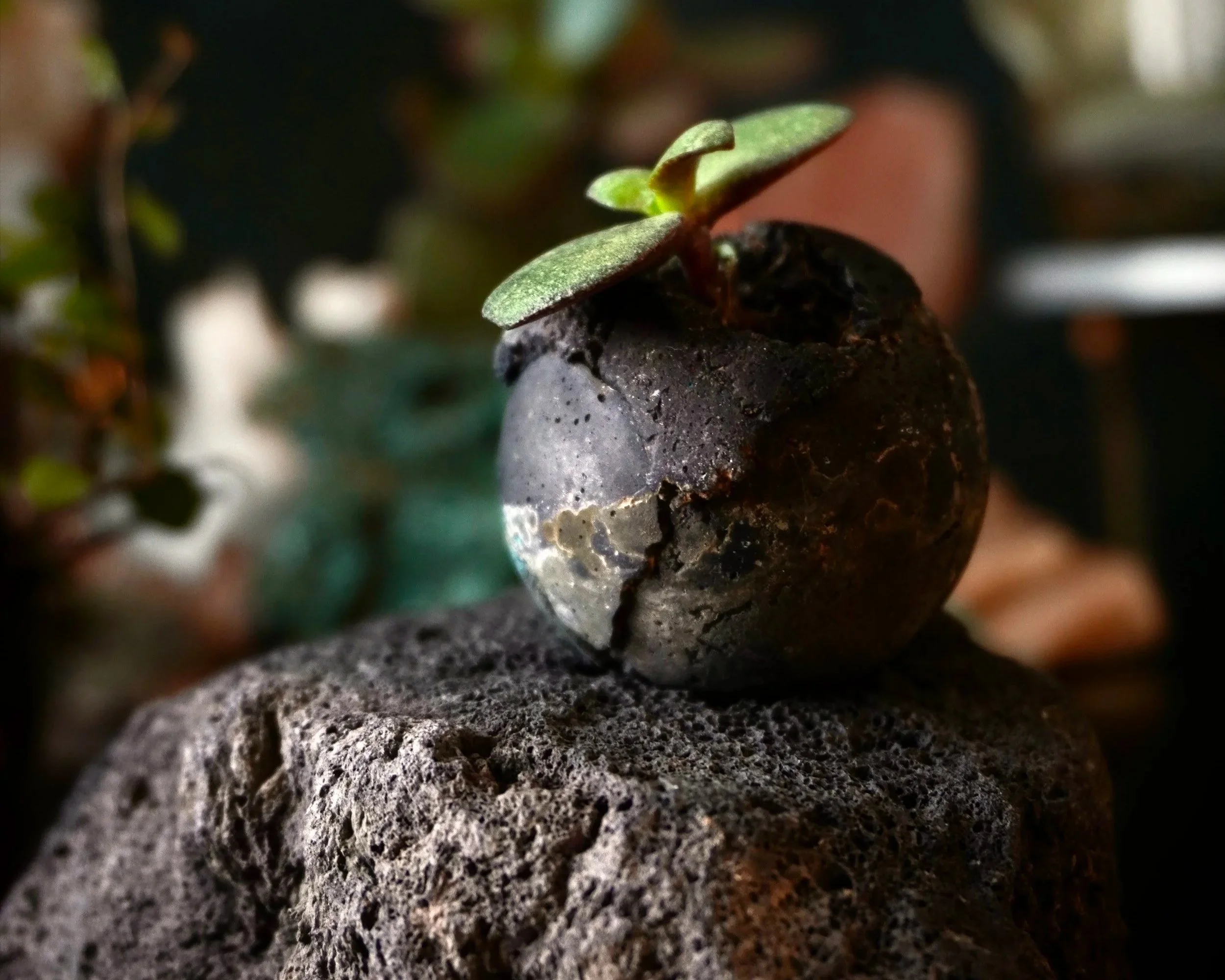
As we grow older, plants continue to accompany us not as a conscious interest, but as part of the environments we move through. They appear in the background of daily life, marking spaces without demanding attention, for example a plant placed next to the television in a living room or a pot on a windowsill that has always been there, simple as that. Besides that we are surrounded by plants in our street, a tree in front of a building that helps you recognize the way back home before you know its name. These plants become reference points because they help us remember places not by function, but by feeling.
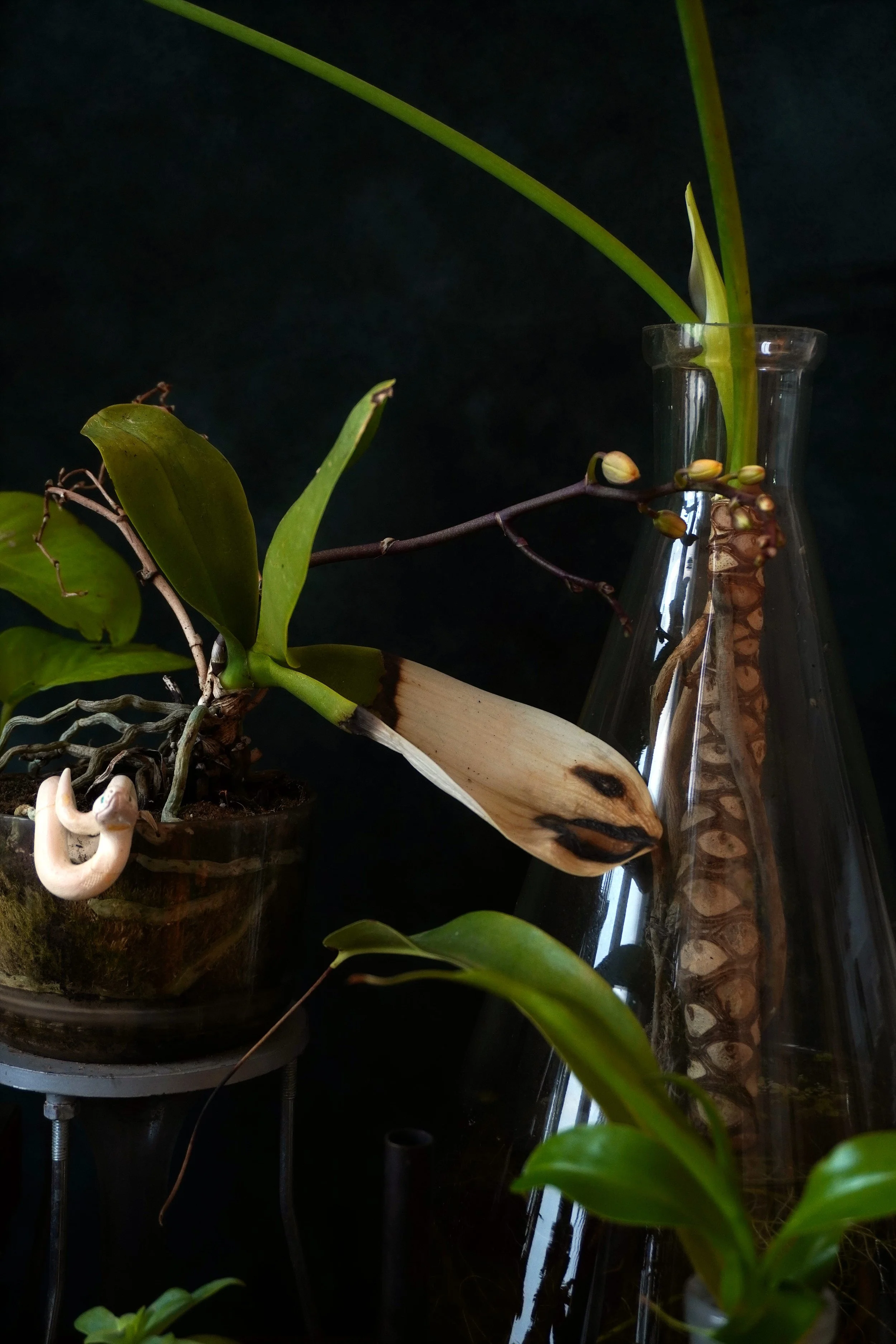
In our memory, spaces are furnished not only with objects, but with atmosphere and that when the plants play a quiet yet essential role in shaping that atmosphere. They soften corners, break symmetry, and introduce movement into otherwise static environments. Over time, they become inseparable from the places they inhabit. When we think back to a home, a café, or a city we once lived in, there is often something green in the frame , even if we never paid attention to it at the time. This is how plants work their way into our visual memory: slowly and without instruction. They teach us, subconsciously, what feels balanced and what feels incomplete. A room without plants can feel unfinished, even if everything else is in place and these impressions settle in quietly and stay with us.
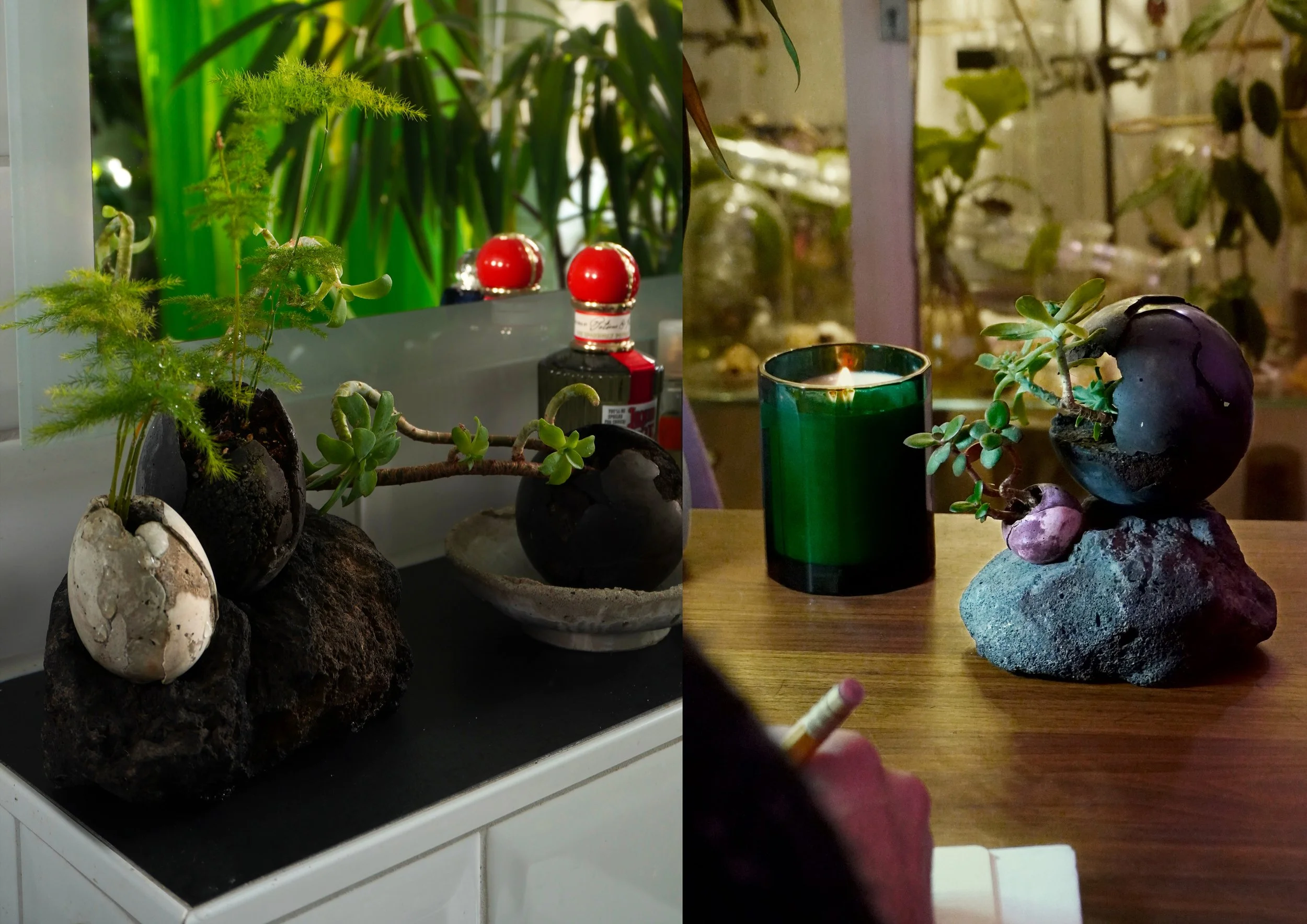
In visual culture, this effect becomes even more evident. Plants appear constantly in photography, cinema, fashion and architecture, not as decoration but as a visual tool because a single plant can change the tone of an image, making it feel calmer, warmer or more intimate. In urban settings especially, plants introduce contrast, they grow unevenly against straight lines, soften concrete and glass, and resist the strict logic of designed spaces. What makes plants so powerful visually is that they don’t require explanation, we respond to them instinctively. Even people who claim to have no interest in plants understand, on a visual level, what they bring into a space, they suggest life, time and learning while watching a bean grow in cotton. The comfort of seeing green shapes in everyday spaces. The reassurance of something growing quietly alongside daily routines.
Plants offer a different rhythm, they grow at their own pace, respond imperfectly to care, and change gradually. In a culture focused on speed, optimization and control, this slowness feels almost radical, plants don’t perform, they simply exist and in doing so, they shift how a space feels.
In cities, where nature is often fragmented or controlled, plants take on an even stronger presence. A fig tree growing on a balcony, ivy climbing an old wall, a neglected plant surviving on a shared stairway these small scenes stand out precisely because they feel slightly out of place. They introduce something organic into environments built for order and speed and because of that, they stay with us.
For most people, the relationship with plants does not begin with knowledge, it begins with memory with a feeling that certain spaces felt better, calmer or more complete because plants were present. Long before anyone decides to “get into plants,” they already understand their effect. Later in life, when people start bringing plants into their homes, it’s often less about learning something new and more about returning to something familiar. Patience comes or follows strict rules. All you need to do is notice which ones stayed in your memory, which plants marked a place, a moment, or a feeling. That visual memory is already a relationship, one that began long before intention, and continues quietly in the background of everyday life. You don’t need expertise to connect with plants or know their continuity, they remind us that not everything exists to be efficient or permanent.