Having a Plant vs. Living Among Urban Nature
In cities, contact with nature rarely disappears completely, but it changes form. Instead of forests, fields, or open landscapes, greenery becomes fragmented into balconies, sidewalks, courtyards, traffic islands, and the narrow strips of soil that survive between concrete surfaces. We learn to live surrounded by small, discontinuous presences of vegetation that belong to everyone and to no one at the same time, for example : a tree on a street corner offers shade without asking who stands beneath it, weeds emerge through pavement cracks without permission, ivy climbs abandoned walls without intention or audience, and this kind of urban nature does not require our care, our knowledge, or even our attention, yet it quietly shapes how the city feels to move through.
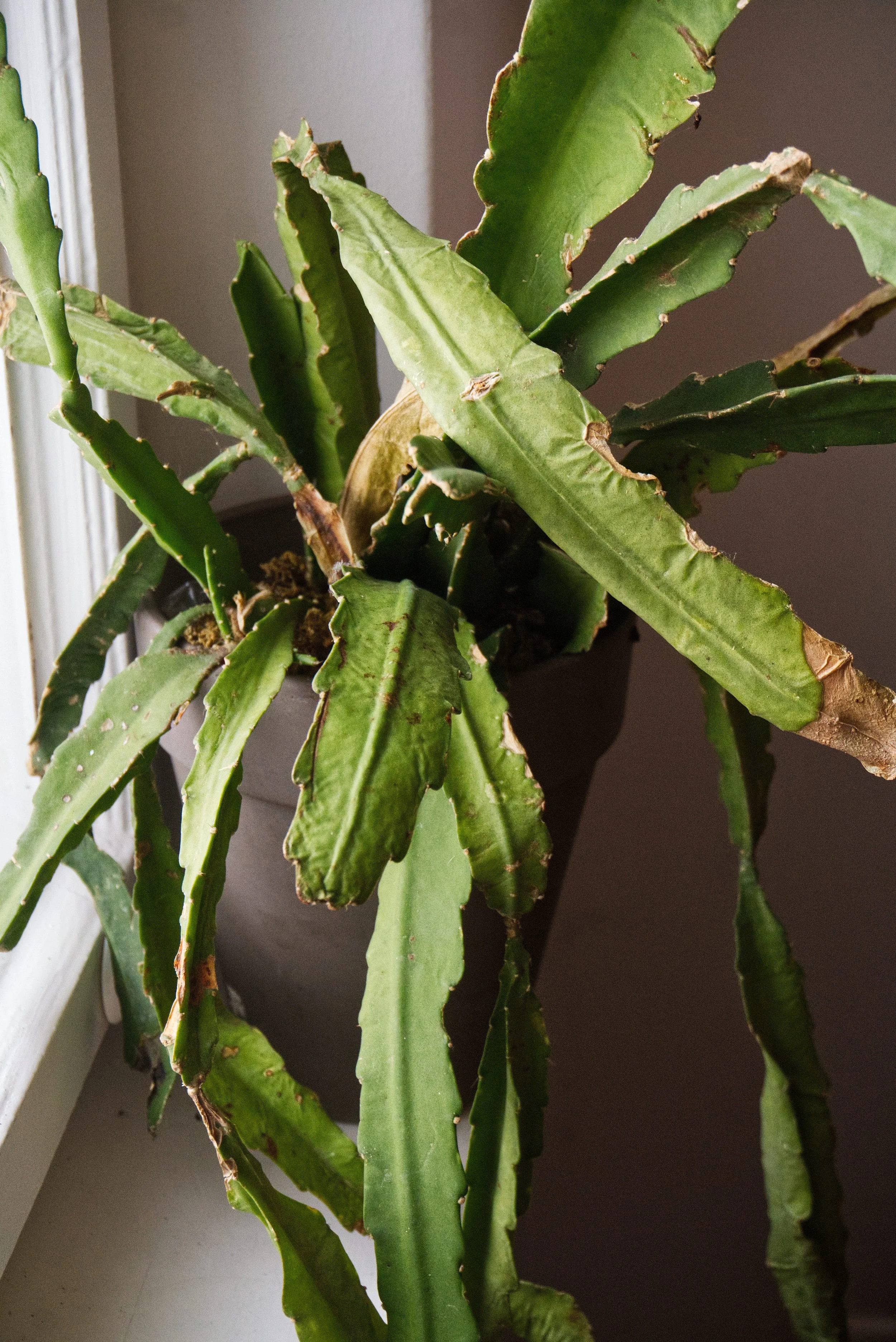
Having a plant of our own creates a fundamentally different experience because , the moment a plant enters domestic space, it stops being anonymous and becomes specific, it depends on someone. Watering schedules, light conditions, and small daily decisions begin to matter, time becomes visible through growth, decline, recovery, or stillness. Responsibility appears in subtle ways: the awareness that neglect has consequences, that attention can change outcomes, and that care is something continuous rather than symbolic. A personal plant therefore produces intimacy, not because it is emotionally expressive, but because it establishes duration between a living organism and a human routine. What grows is not only the plant, but a quiet form of attachment shaped by repetition.
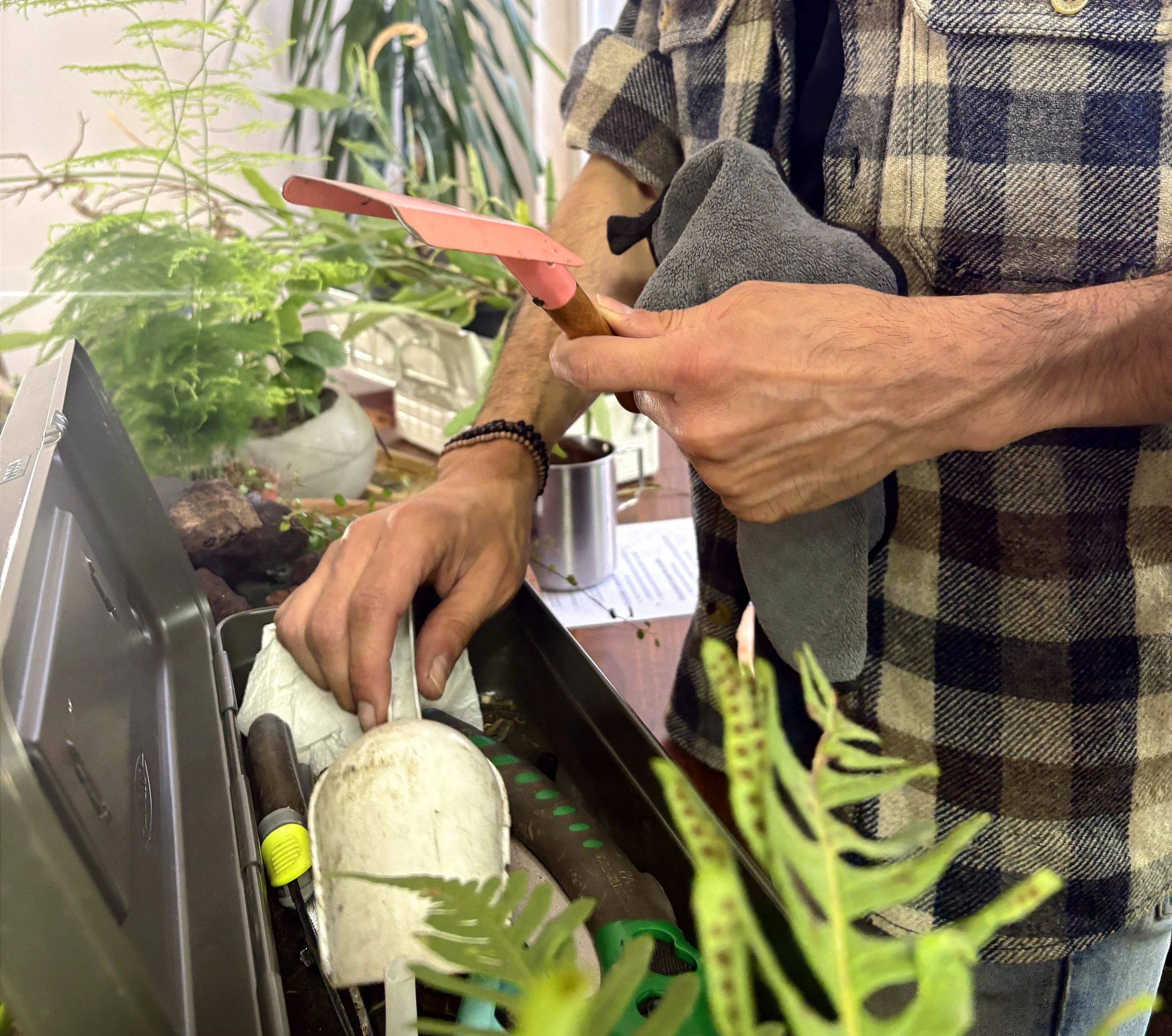
Urban nature, by contrast, asks almost nothing from us, we pass it without obligation. Street trees continue their seasonal cycles regardless of who notices, plants in shared courtyards are watered by someone unknown, or by no one in particular, yet they persist. This distance creates a different emotional register, less intimate, but more collective. The greenery of the city belongs to a shared field of experience rather than to private care, it almost becomes part of orientation, memory, and background feeling and these relationships are real, but they are diffuse, distributed across many lives rather than concentrated in one.
The contrast between these two conditions, owning a plant and simply living among urban vegetation, reveals different ways of understanding coexistence. Ownership implies control, intervention, and measurable responsibility, we decide where the plant stands, how much water it receives, whether it survives. Urban nature resists this scale of influence, it grows according to municipal systems, chance, neglect, weather, and time spans far beyond individual routines. To encounter it is to accept a form of life that continues without us and this acceptance can feel distant, yet it also opens another perspective: a reminder that not every living process needs to be managed to be meaningful.
Care also changes meaning across these contexts, domestic care is visible and intentional, often guided by the desire to maintain health, beauty, or stability. In the city, care becomes uneven, collective, and sometimes invisible, survival appears not as perfection, but as endurance within constraint. Seeing this broader spectrum of care complicates the simple narrative that life thrives only through constant attention. Some forms of growth depend instead on resilience, chance, and shared responsibility that cannot be traced to a single person.
Emotionally, these differences shape how belonging is felt. A plant we care for can root us inside a specific interior, marking time through seasons of growth and change, urban greenery, though less intimate, can anchor us spatially within the wider city, creating continuity across movement, linking streets, routines, and memories through recurring fragments of living matter. One form of nature builds attachment through proximity and responsibility; the other through repetition and shared presence, so in the end, both produce connection, but on different scales of experience.
Recognizing this distinction shifts how plants are understood within contemporary urban life. They are not only decorative objects for interiors, nor merely background scenery in public space. They operate across private and collective dimensions simultaneously, shaping emotional, spatial, and temporal awareness in ways that often remain unnoticed. To care for a single plant is to enter a direct relationship with living time, to walk daily among anonymous greenery is to participate in a quieter, collective continuity that exceeds individual control. Neither condition is more authentic than the other, but each reveals a different way of living with what grows.
In a culture that often frames nature as something to possess, optimize, or aestheticize, paying attention to this difference becomes meaningful. It suggests that connection does not depend solely on ownership, and that presence can exist without intimacy, sometimes belonging emerges not from what is ours, but from what we encounter repeatedly without ever fully claiming. Within the fragmented landscapes of the city, this shared, unattended life may be one of the most subtle yet persistent forms of coexistence available to us.