
A Journey Through the Ages: Ceramics as the World's Memory
by Clarisse :)
The earliest traces of ceramics date back over 18,000 years in East Asia, but it was with the Yangshao Neolithic culture in China (5000-3000 BCE) that the art of pottery truly took off with painted pieces featuring complex geometric patterns.
Over the millennia, every civilization developed its own techniques and styles:
In Egypt, ceramics served as both daily utensils and funerary objects, adorned with mythological scenes.
In ancient Greece, black-figure and later red-figure vases told mythological stories and depicted scenes from daily life.
The Romans perfected terra sigillata, a type of ceramic recognizable by its red color and relief decorations.
In China, the Tang dynasty saw the birth of celadon, a pale green glazed ceramic, a symbol of refinement.
In Japan, ceramics evolved in harmony with the tea ceremony, giving rise to styles like Raku, which favors asymmetry and simplicity.
Every piece of ceramic is a fragment of history, an imprint of the hands that shaped it and the cultures that inspired it.
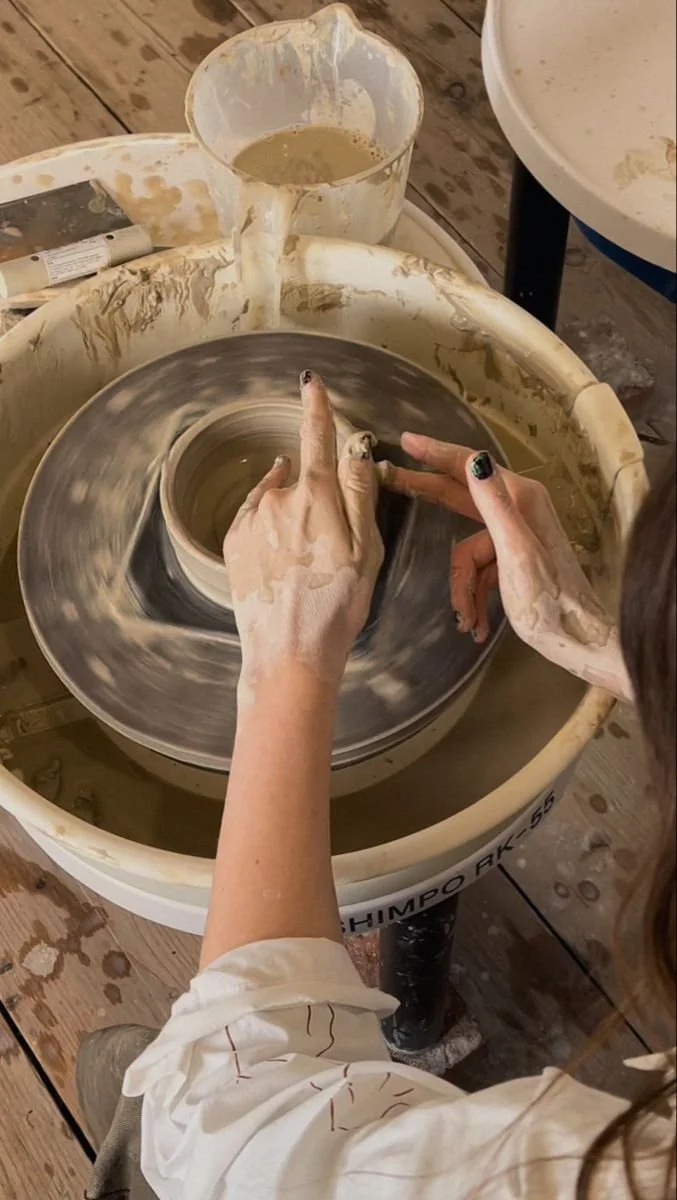
Terracotta: A Timeless Material
Terracotta, or baked earth, is one of the oldest and most universal materials. Its popularity throughout the ages can be explained by several factors:
Accessibility: Clay is found in many regions of the world, allowing various cultures to develop ceramics independently.
Ease of Use: Terracotta can be shaped by hand or on a wheel and then fired at relatively low temperatures, making its production accessible.
Durability: Once fired, the clay becomes strong, allowing objects to last for centuries.
Beyond its practical qualities, terracotta has often been associated with strong symbolism: warmth, nurturing earth, and simplicity. It embodies a return to essentials, a direct connection with nature.
From Utilitarian Object to Poetic Object
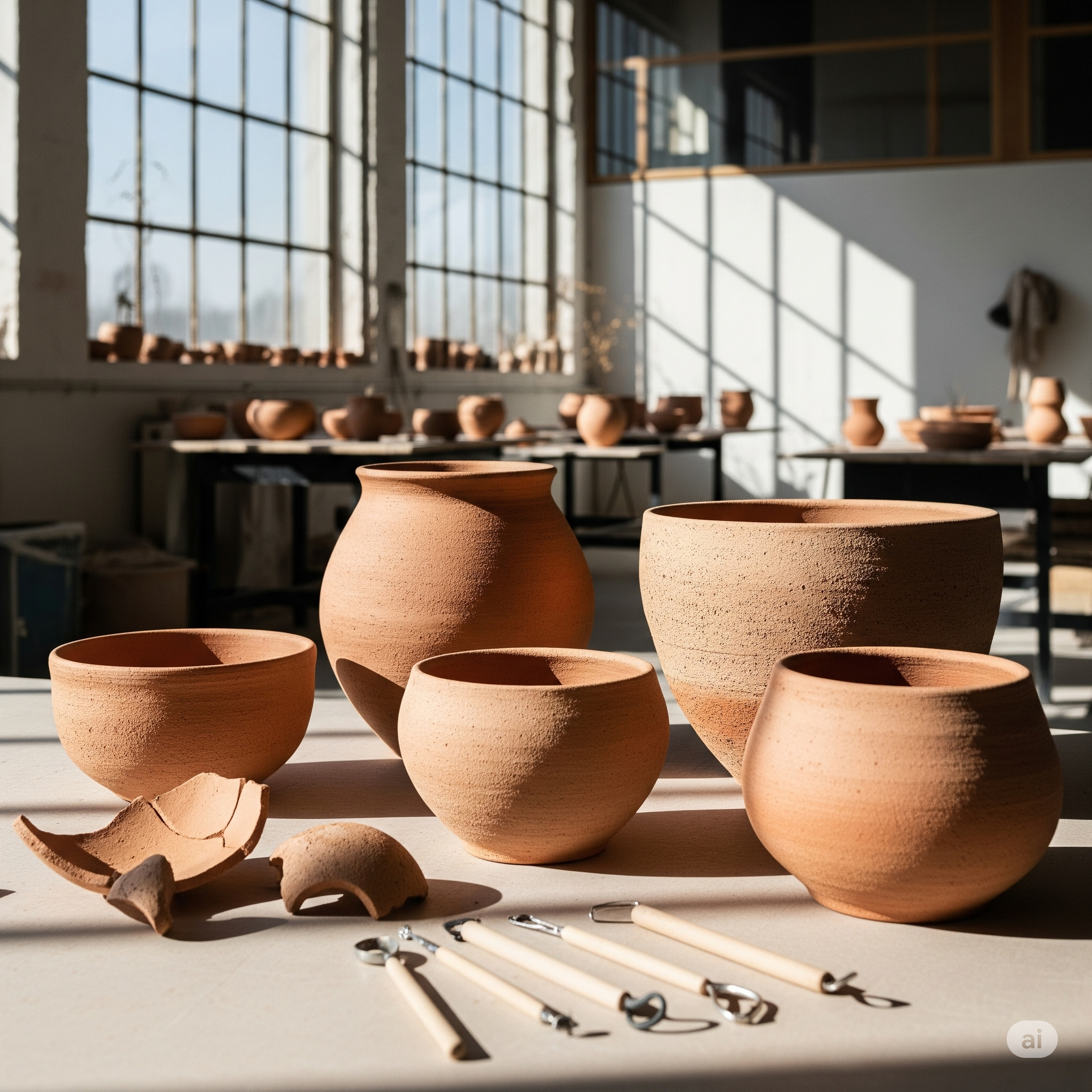
While ceramics were born from practical needs, they quickly acquired an artistic and symbolic dimension. Potters explored forms, textures, and colors, transforming everyday objects into works of art.
In Japan, for example, the wabi-sabi philosophy values the beauty of imperfection and simplicity, which is reflected in ceramics with irregular shapes and cracked glazes.
In Europe, artists like Bernard Palissy in the 16th century created naturalistic pieces in glazed earthenware, blending art and science.
Today, ceramics continue to inspire contemporary artists who explore their expressive potential, balancing tradition and innovation.
At Dirty Roots: Artisan Heritage at the Heart of Our Pots
At Dirty Roots Berlin, we are committed to celebrating this millennial heritage by offering handmade terracotta pots. Each pot is unique, marked by the artisan's hand that shaped it, carrying within it the traces of the gesture, the heat of the kiln, and the history of the earth.
These pots are not just simple containers for your plants; they are silent partners, witnesses to your daily life, objects that tell a story. Their raw texture, warm color, and organic form create a dialogue with the plant they host, forging a natural and poetic harmony.
By choosing these pots, you are choosing living craftsmanship, a sincere aesthetic, and a deep connection with nature and human history.
Ceramics, a Way of Life
Ceramics are much more than a material or an object; they are an expression of our humanity, our creativity, and our relationship with the earth. They cross ages, cultures, and styles, always renewed, always inspiring.
At Dirty Roots, we are proud to continue this tradition by offering you handmade terracotta pots that combine utility and poetry, simplicity and depth. These objects, like ceramics themselves, tell a story: your story.