
Plants as Objects, Not Decorations
Plants are often invited into our homes at the very end of the process of the decoration of a new space, after the furniture is chosen, the walls are painted and the layout is fixed, a plant is added to “finish” the space. In this context, plants are just part of the category decoration: something light, interchangeable and easy to remove if we start to get tired of his presence. But, as we all know, plants don’t behave like decorative objects and the problem starts when we treat them as such, the relationship quickly breaks down.
The decoration objects are designed to be flexible, to follow trends, adapt to moods and can be replaced when it no longer fits. Objects are different, they have weight, volume and presence, they affect how we move through a room, how light travels, and how space is perceived over time, they demand consideration and attention and plants belong to this second category because in the end the plants are also living beings that need to be cared for and not discarded and forgotten.
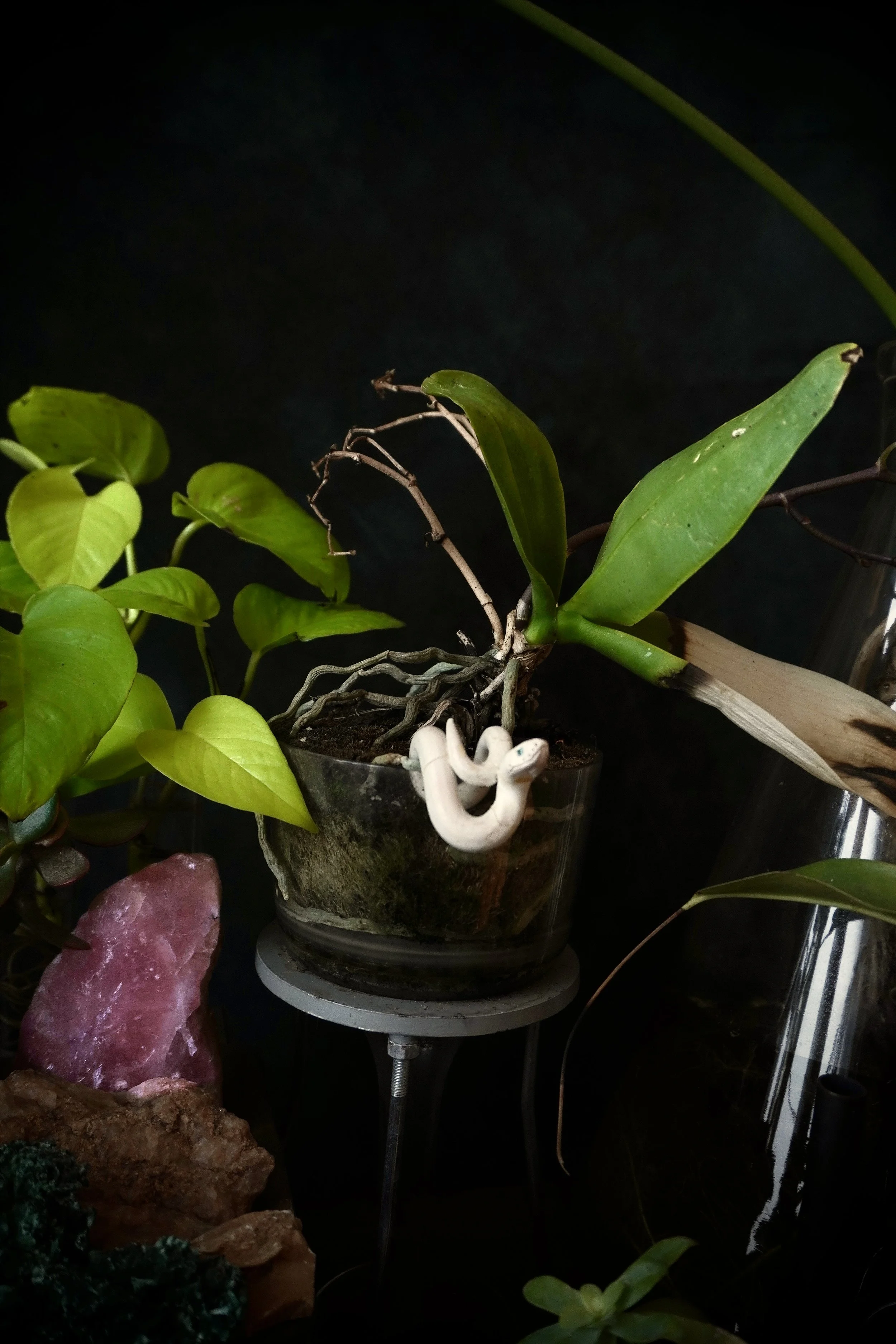
A plant occupies space in a real, physical way because they grow outward and upward, it leans toward the light, it casts shadows that change throughout the day, its volume is not fixed, and its form cannot be fully controlled. Unlike decorative elements, a plant insists on being noticed not visually, but spatially. This becomes clear when a plant is removed, because it looks like the room that once felt balanced, can suddenly feel empty or unresolved, not because something “pretty” is missing, but because a presence has disappeared. The plant was doing structural work, even if we didn’t consciously register it.
Treating plants as objects also changes how we think about containers because sometimes the pots can be often chosen as styling elements, matched to color palettes of the room, but in reality, a pot is a structure, it holds weight, it limits and directs growth,it creates a relationship between inside and outside, between living matter and material form. So, from this point of view, plants and containers are not separate, they form a unit, one that evolves over time. As the plant grows, the object around it becomes more visible, marks appear, edges wear down and this combination begins to tell a story.This is where imperfection enters the picture.
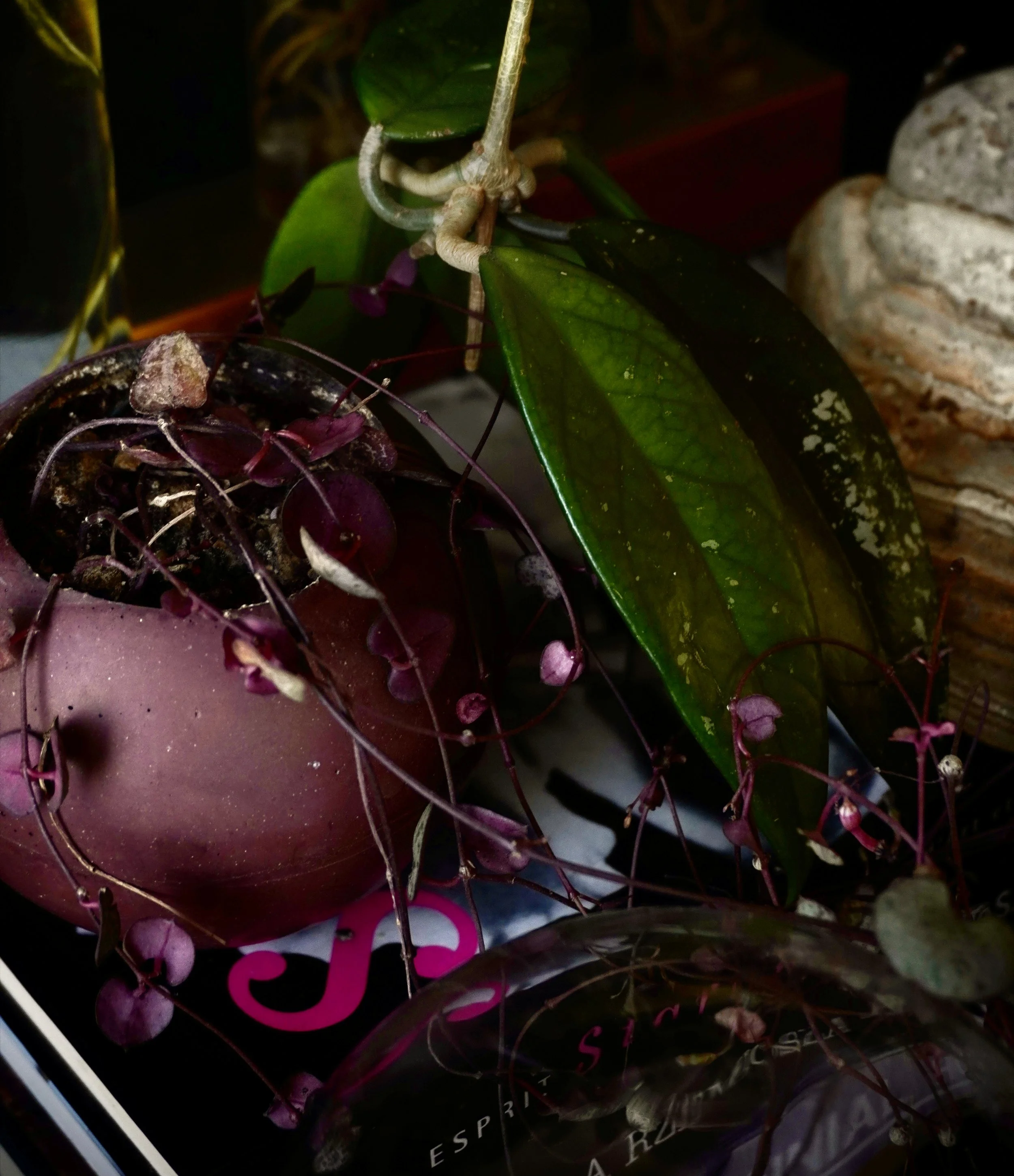
Leaves dry, growth becomes uneven, the edges break and these changes are often perceived as failure, especially when plants are treated as decorative tools meant to look a certain way. But if we understand plants as objects we live with, these signs become traces of time rather than mistakes. If we accept wear on chairs, tables and floors because we understand that they use leaves marks, why not extend the same logic to plants? But instead when we see a plant that no longer fits an ideal image, we replace it. The ease with which plants are discarded reveals how little we consider them as part of the material life of a space.
Living with plants as objects requires a different mindset. It means choosing fewer plants, placing them deliberately, and allowing them to change. It means accepting that growth can be awkward, that balance shifts over time, and that not every phase is visually pleasing. This approach aligns with a slower way of living with objects in general, one that values continuity over novelty, presence over performance, and use over appearance. When plants are removed from the category of decoration, they stop needing to justify themselves visually, they are no longer there to complete a look or follow a trend, they just exist because they belong as living objects that share space, time and transformation with us and once we allow that shift, the relationship becomes simpler, more honest, and harder to replace.
