
Kitchen Greenery, but Make It Intentional
Dirty Roots Berlin Styling for Modern Kitchens
The kitchen is no longer just a functional room. In contemporary interiors, it is a design statement, a social space, and often the emotional center of the home. Styling plants here requires precision. Too much and it feels chaotic. Too little and it feels sterile.
Dirty Roots Berlin planters are made for kitchens that value material honesty, contrast, and confidence.
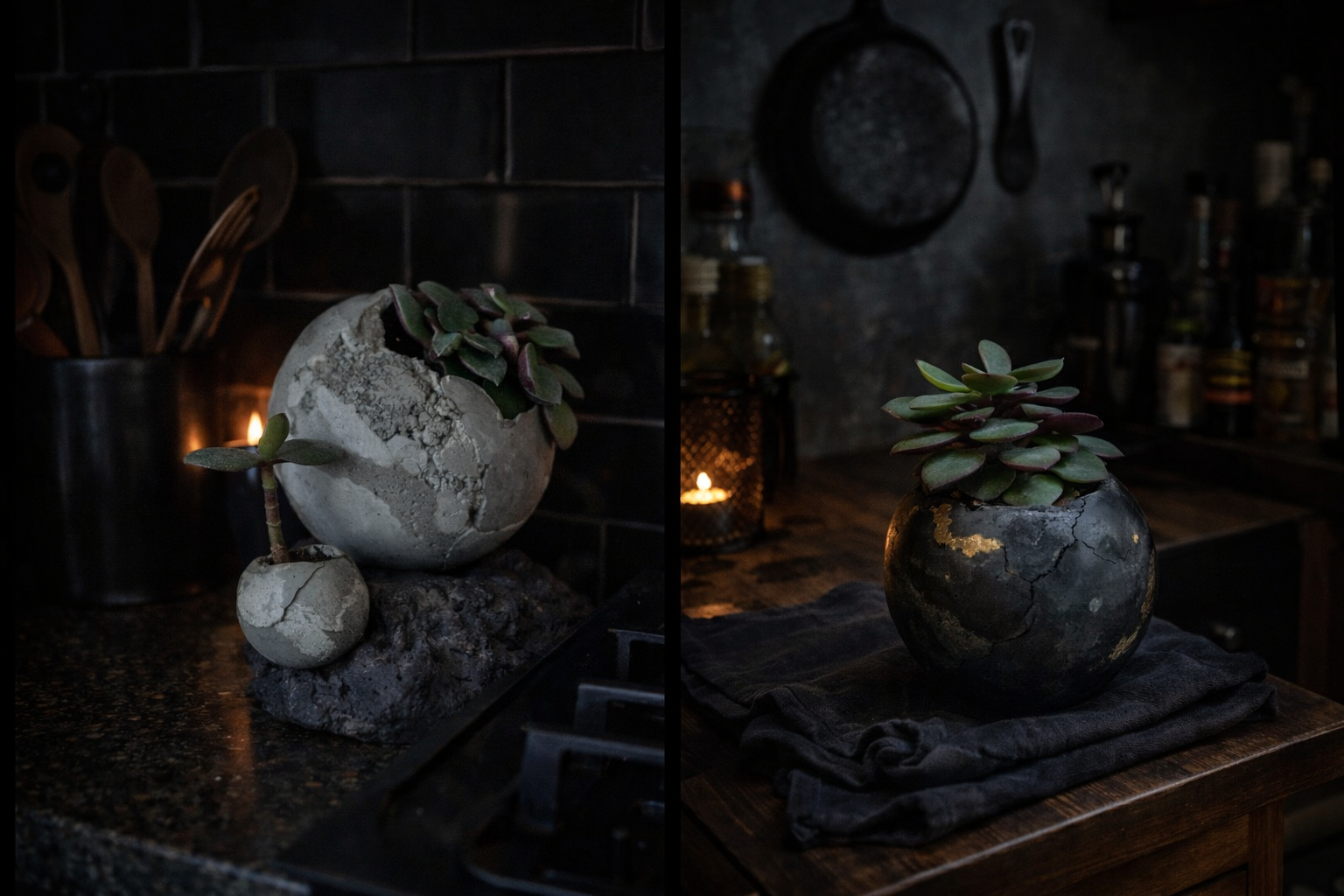
Treat plants like design objects, not decoration
In a kitchen, every surface has a purpose. Dirty Roots planters work best when they are treated like sculptural objects rather than accessories. Place them where they naturally belong, on kitchen islands, open shelves, or at the edge of countertops, not squeezed between appliances.
If it feels accidental, it is wrong. Kitchens reward clarity.
Balance hard surfaces with grounded materials
Modern kitchens are full of hard finishes. Stone countertops, metal fixtures, flat cabinetry. Dirty Roots planters introduce weight and texture that ground the space visually. Their matte, tactile surfaces soften the sharpness of modern kitchens without making them feel cozy or rustic.
This contrast is where the design becomes interesting.
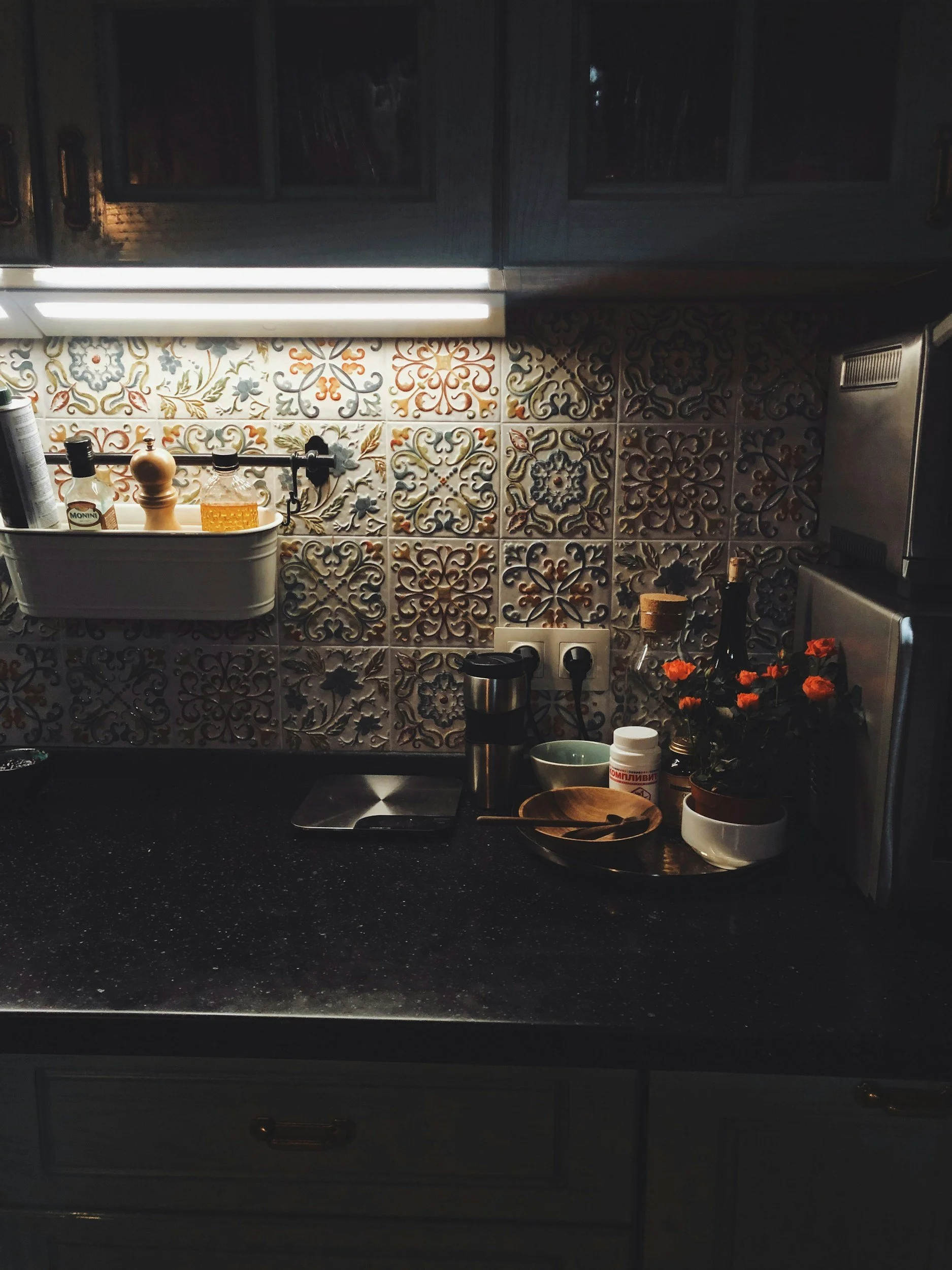
Choose fewer planters with stronger presence
A kitchen does not need many plants. One or two well chosen Dirty Roots planters are enough. A larger planter with herbs or architectural greenery can anchor the kitchen island. A smaller one on an open shelf adds life without disrupting functionality.
Restraint is what makes the space feel expensive.
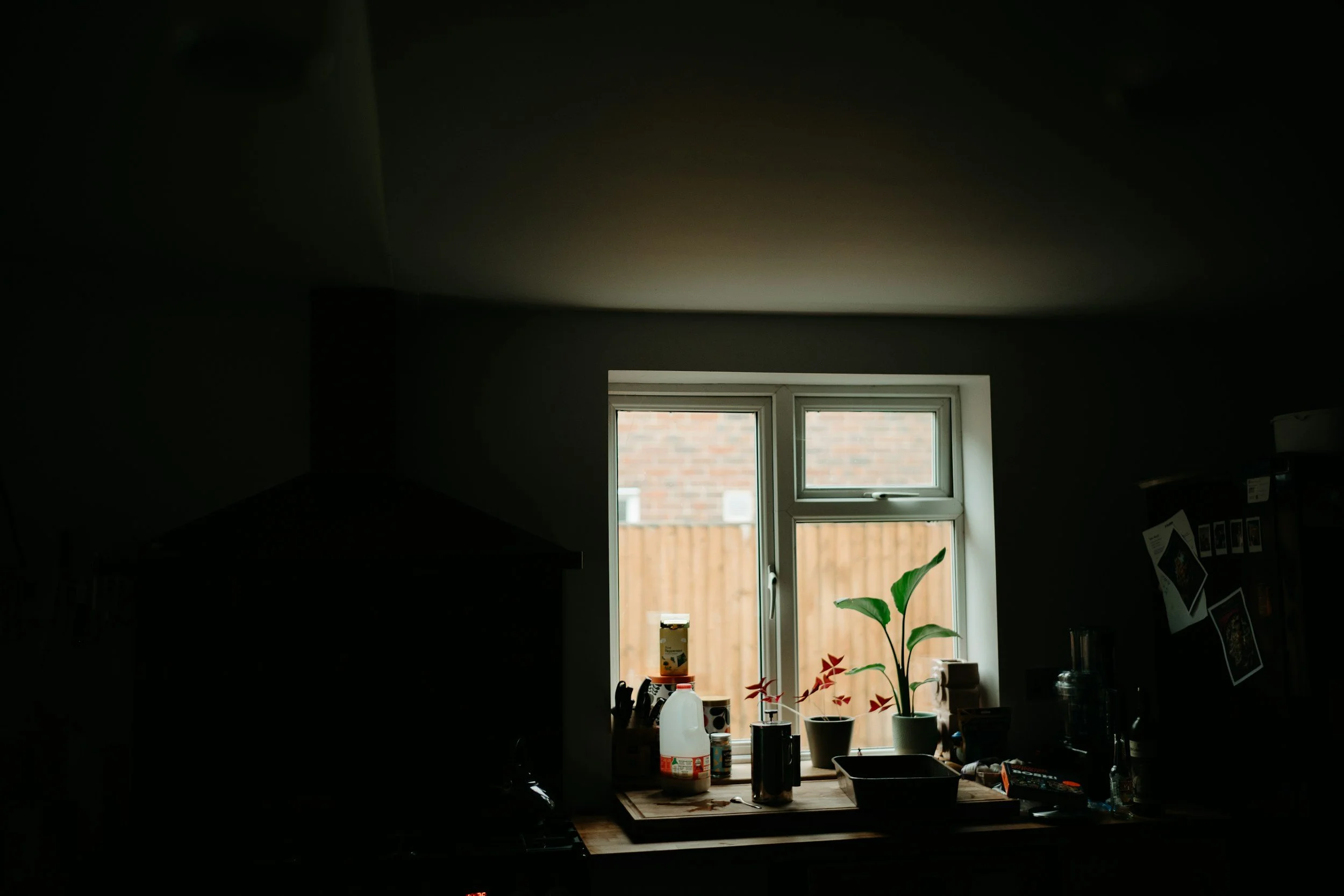
Work with vertical lines and open shelving
Open shelving is common in contemporary kitchens and a perfect place for Dirty Roots planters. Use them to break long horizontal lines of shelves and cabinetry. The vertical growth of plants creates rhythm and movement, especially in minimalist kitchens.
Keep spacing generous. Let each planter exist on its own.
Herbs, but styled like design
Herbs do not need to look messy or domestic. When placed in strong, minimal planters, they become graphic and intentional. Choose herbs with structured growth and deep green tones. Avoid overcrowding and mixed varieties in one planter.
Function and design can coexist, but only if both are respected.
Let imperfections live naturally
Dirty Roots planters age with the kitchen. Slight surface variations, marks, and texture shifts feel right in a space where things are used daily. Unlike glossy decorative pots, these planters do not fight wear. They absorb it.
This makes them especially suitable for kitchens that are lived in, not staged.
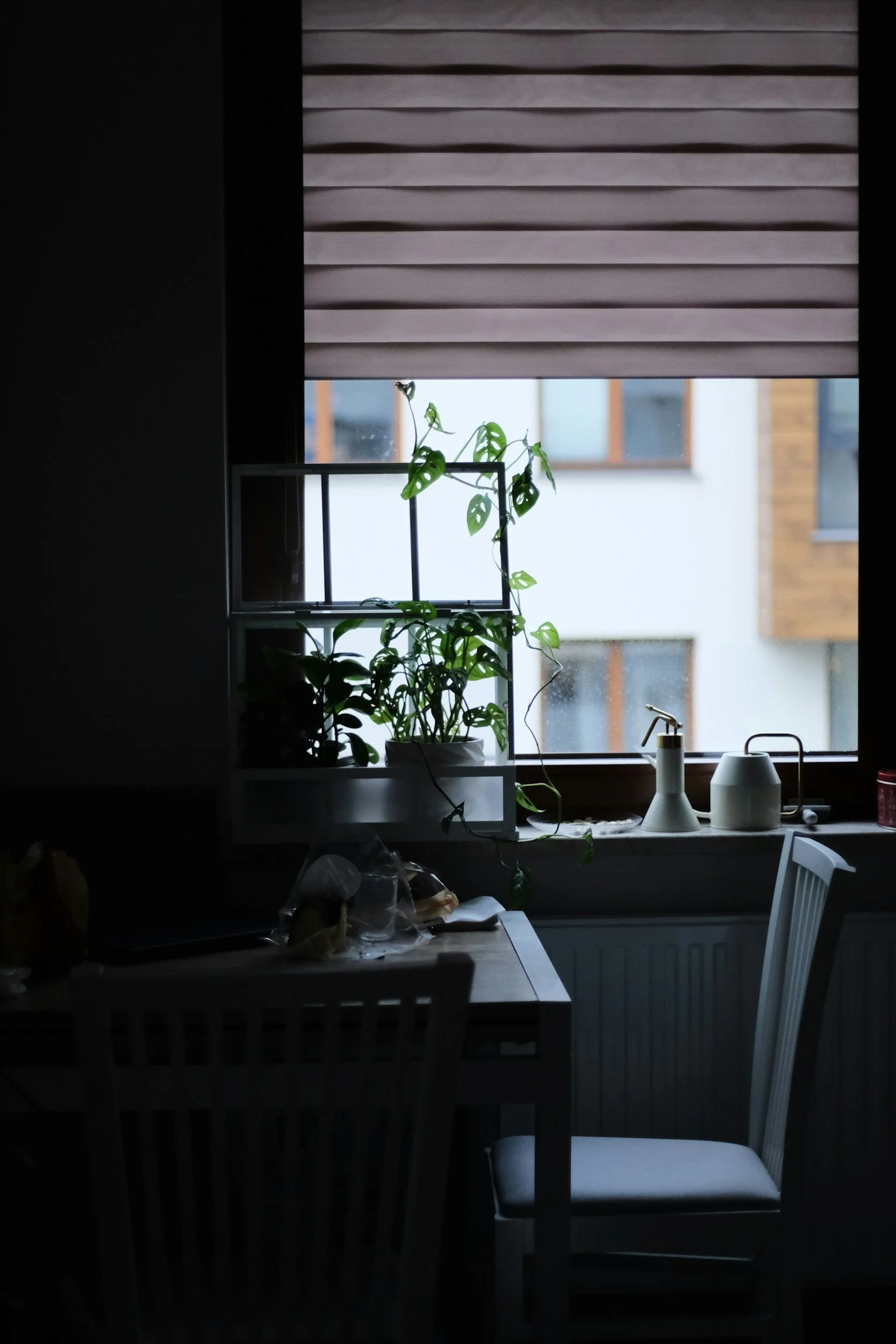
Design around light and airflow
Kitchens often have strong natural light. Use this to your advantage. Place planters where light naturally hits the counter or shelves. Healthy plants reinforce the feeling of freshness and vitality that a kitchen should have.
Avoid dark corners or cramped spaces. Plants need room to breathe, just like the design.
The Dirty Roots kitchen philosophy
Kitchen greenery should feel grounded, confident, and calm. Dirty Roots Berlin planters do not try to romanticize the kitchen. They sharpen it. They add weight where everything else is smooth and clean.
This is not about making the kitchen look green.
It is about making it feel alive.
