
Garden’s importance
by Clarisse :)
In human history, the garden has often been much more than just a space for culture or leisure. It has become, through times and crises, an act of resistance, a gesture of care and a symbol of resilience. From Hiroshima to Detroit, gardens have played an essential role in the reconstruction of life and the reaffirmation of human dignity. At Dirty Roots Berlin, this dimension of the garden as a space for healing and resistance resonates deeply with our approach to plants and the environment.
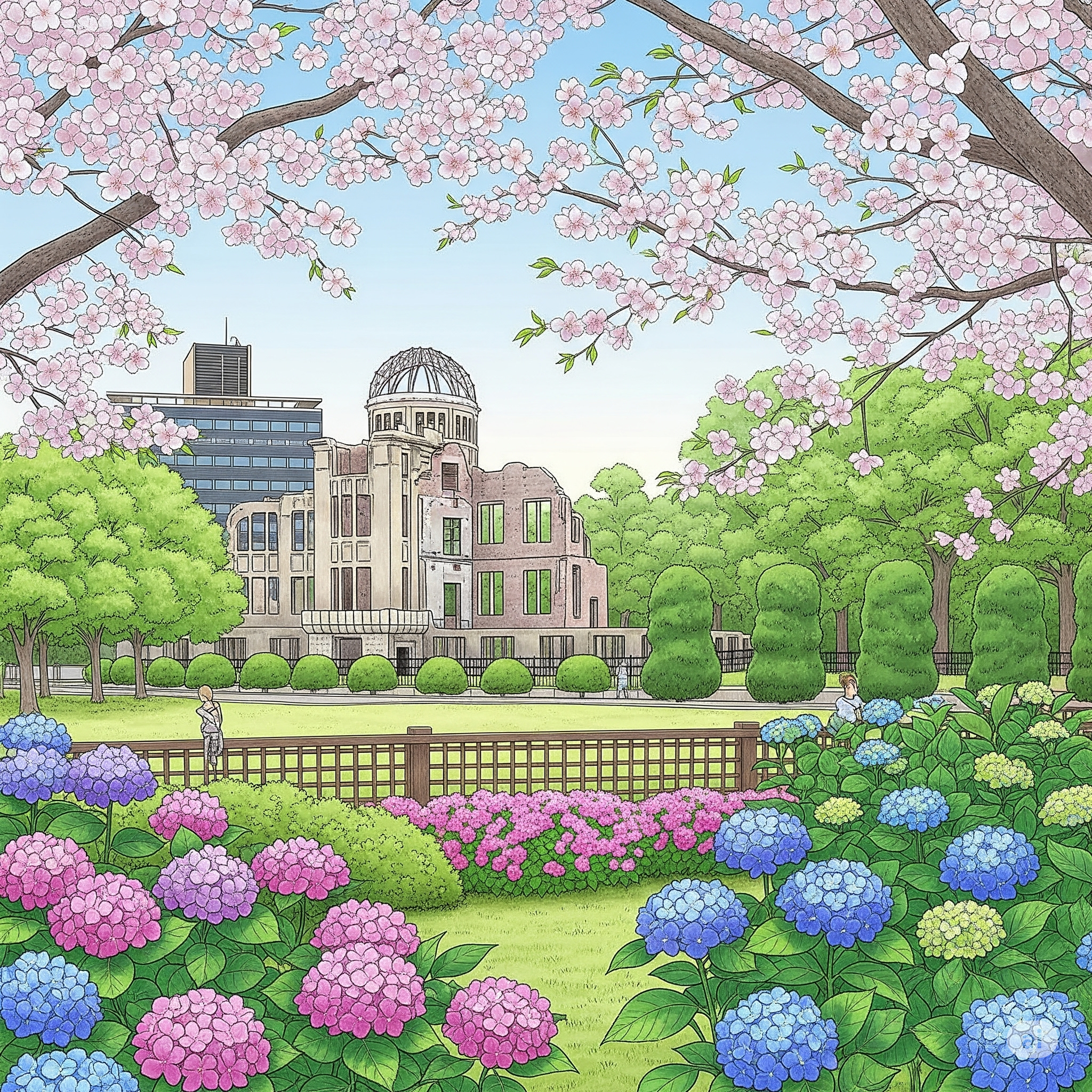
Hiroshima: the renaissance by the garden
On 6 August 1945, Hiroshima was devastated by the first atomic bomb in history. Among the places affected, the Shukkei-en garden, located just 1.3 km from the epicentre, was reduced to ashes. However, as soon as the war ended, the inhabitants undertook its restoration, replanting trees and rebuilding the structures in the footsteps of the original foundations. Today, the garden is a symbol of peace and resilience, offering a space for contemplation and memory for visitors from around the world.
Detroit: urban agriculture as an act of resilience
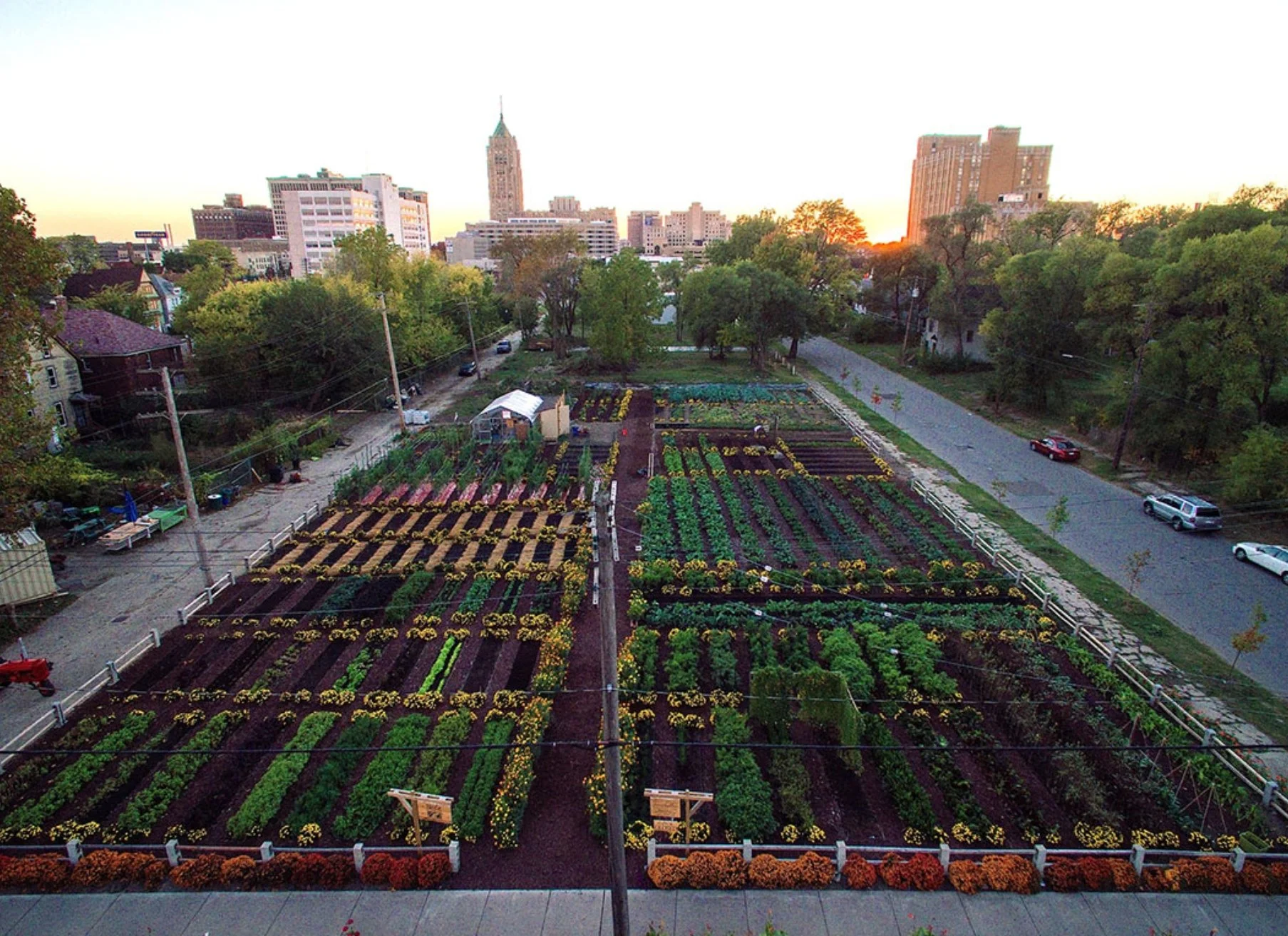
In Detroit, the history of community gardens dates back to the late 19th century when Mayor Hazen Pingree launched the "Potato Patch Plan" to help citizens deal with the economic crisis. During the Second World War, the "Victory Gardens" were encouraged to support the war effort. In the 1970s, the "Farm-A-Lot" program allowed residents to cultivate vacant land. Today, with more than 2,200 urban gardens and farms, Detroit is an example of community resilience, where urban agriculture contributes to food security, neighbourhood revitalization, and social bonding.
War gardens: cultivating hope in times of conflict
During the two world wars, the "Victory Gardens" were promoted in many countries to alleviate food shortages and support the war effort. These gardens, cultivated in backyards, vacant lots and even on roofs, allowed citizens to actively contribute to the cause while improving their own diet. Beyond their practical usefulness, these gardens strengthened the morale of populations and symbolized the ability of communities to unite in the face of adversity.
Dirty Roots: the inner garden as a space for care and resistance
At Dirty Roots Berlin, we believe that every plant, every pot, every arrangement of plants can be an act of care for oneself and the world. By integrating plants into our living spaces, we create havens of peace, refuges against stress and everyday tumults. Our raw, handmade pots embody this philosophy: they are the result of respectful craftsmanship, attention to materials and a desire to reconnect with nature.
In a world in perpetual agitation, taking the time to cultivate a plant, to observe it grow, to water it, is a simple but powerful gesture. It is a way to resist acceleration, to reaffirm our humanity and to participate, at our level, in the reconstruction of living things.

The garden, a political and poetic act
From Hiroshima to Detroit, gardens have proven that they can be tools of resilience, reconstruction and resistance. They remind us that, even in the darkest moments, it is possible to sow the seeds of hope and rebirth. At Dirty Roots, we invite you to make your living space an indoor garden, a place where plants are not only decorative, but full of meaning, care and resistance.